
Drone Assembly Factory Guide: How to Source 10, 15 and 18 Inch FPV Drone Kits
Quick answer for assembly buyers
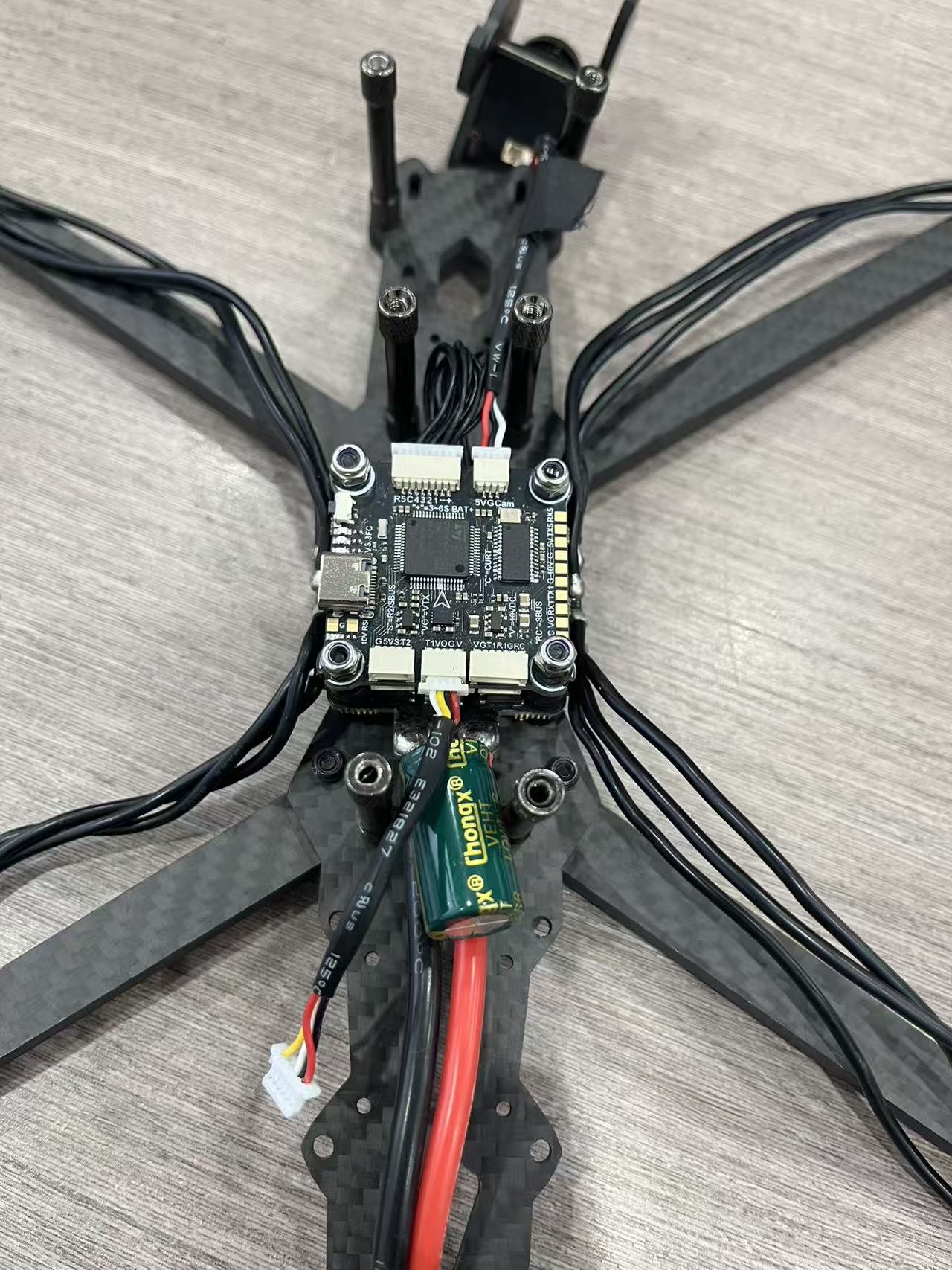
A drone assembly factory should source FPV drone kits as a complete build system, not as separate low-cost parts. The buyer should confirm the frame size, payload target, voltage, motor class, propeller type, ESC rating, flight controller, receiver, VTX, battery plan and packaging standard before approving a bulk order.
For 10, 15 and 18 inch FPV platforms, the key question is not only whether the drone can fly. The stronger question is whether the same configuration can be repeated across 10, 30 or 100 units with stable thrust, current, heat, wiring and after-sales support.
Pi Thrust can position its offer around this complete assembly logic. The article below explains how assembly factories can compare kit suppliers and how Pi Thrust can support matched drone kits, propulsion systems and motor supply for project buyers.
Why assembly factories need a kit-level supplier
Many FPV drone buyers begin with a parts list. However, a factory that builds drones for resale or project delivery needs more than parts availability. It needs a stable configuration that can be explained, assembled, tested and shipped repeatedly.
A kit-level supplier reduces the work before production. In addition, it helps the buyer avoid mismatched motors, overloaded ESCs, weak propellers, unclear wiring, random batteries and spare parts gaps. These issues may not appear during a quick sample check, but they become costly when the order moves into batch assembly.
Therefore, the supplier should be able to discuss the whole system. That includes the airframe, powertrain, control system, transmission parts, battery voltage, packaging and after-sales replacement plan.
Start by separating 10, 15 and 18 inch platform goals
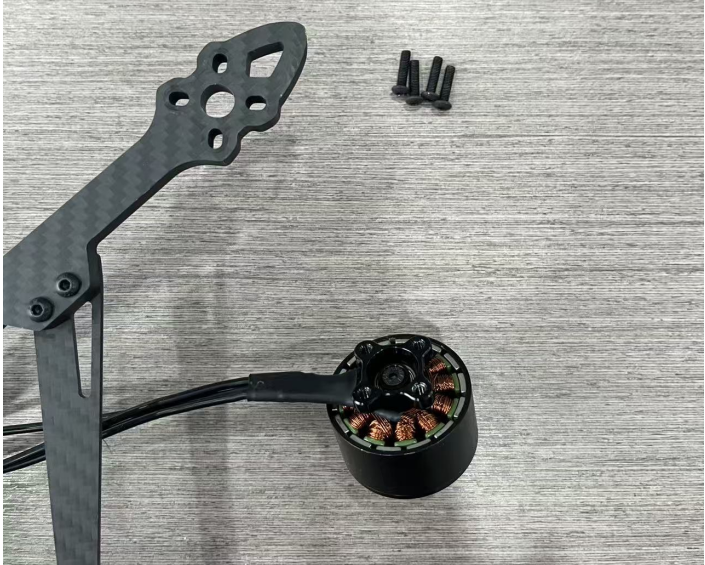
A 10 inch platform, a 15 inch platform and an 18 inch platform should not share the same buying logic. They may use similar FPV language, but the payload, endurance, voltage and propulsion margin can be very different.
For example, a 10 inch kit is often chosen for compact size, simple handling and cost control. A 15 inch drone is usually expected to carry more payload or fly longer. An 18 inch drone moves closer to project-style use, where the buyer needs more conservative matching and clearer safety margin.
| Platform | Typical buyer goal | Sourcing focus |
|---|---|---|
| 10 inch FPV drone kit | Small batch resale, training, inspection or compact payload projects | Clear BOM, 6S power, 3115 motor direction, simple spare parts support |
| 15 inch FPV drone | Longer endurance, stronger payload ability and more stable flight behavior | Motor-propeller-ESC matching, 8S or 12S discussion, higher torque reserve |
| 18 inch drone kit | Heavier project payload, more conservative structure and delivery planning | Locked configuration, stronger propulsion margin, packaging and after-sales plan |
The propulsion system should lead the configuration
For an assembly factory, the propulsion system is the center of the kit. The motor, propeller and ESC decide thrust, current draw, heat, flight response and how much payload margin the drone can carry. If these parts are selected only by price, the final build may require extra tuning and replacement work.
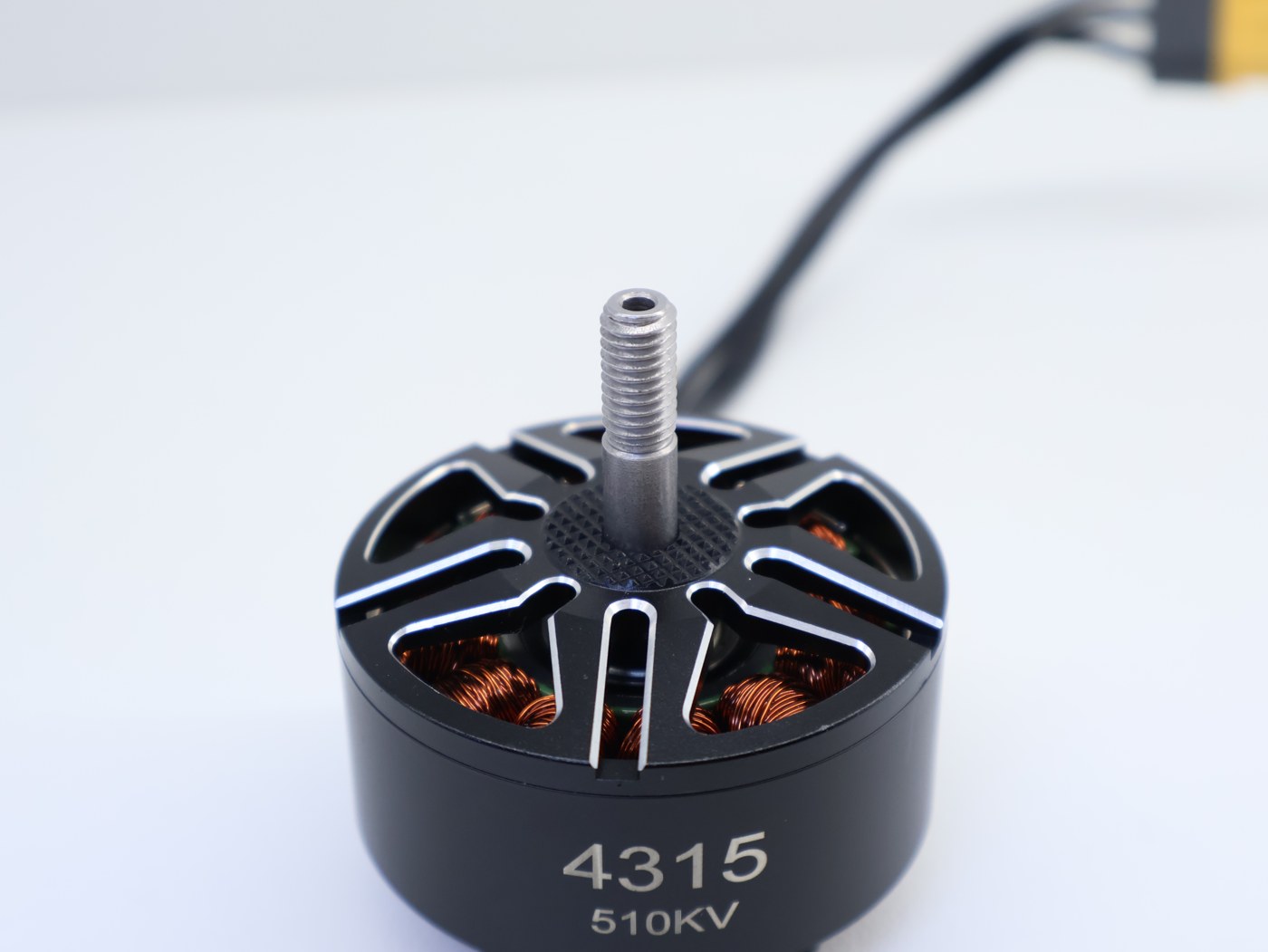
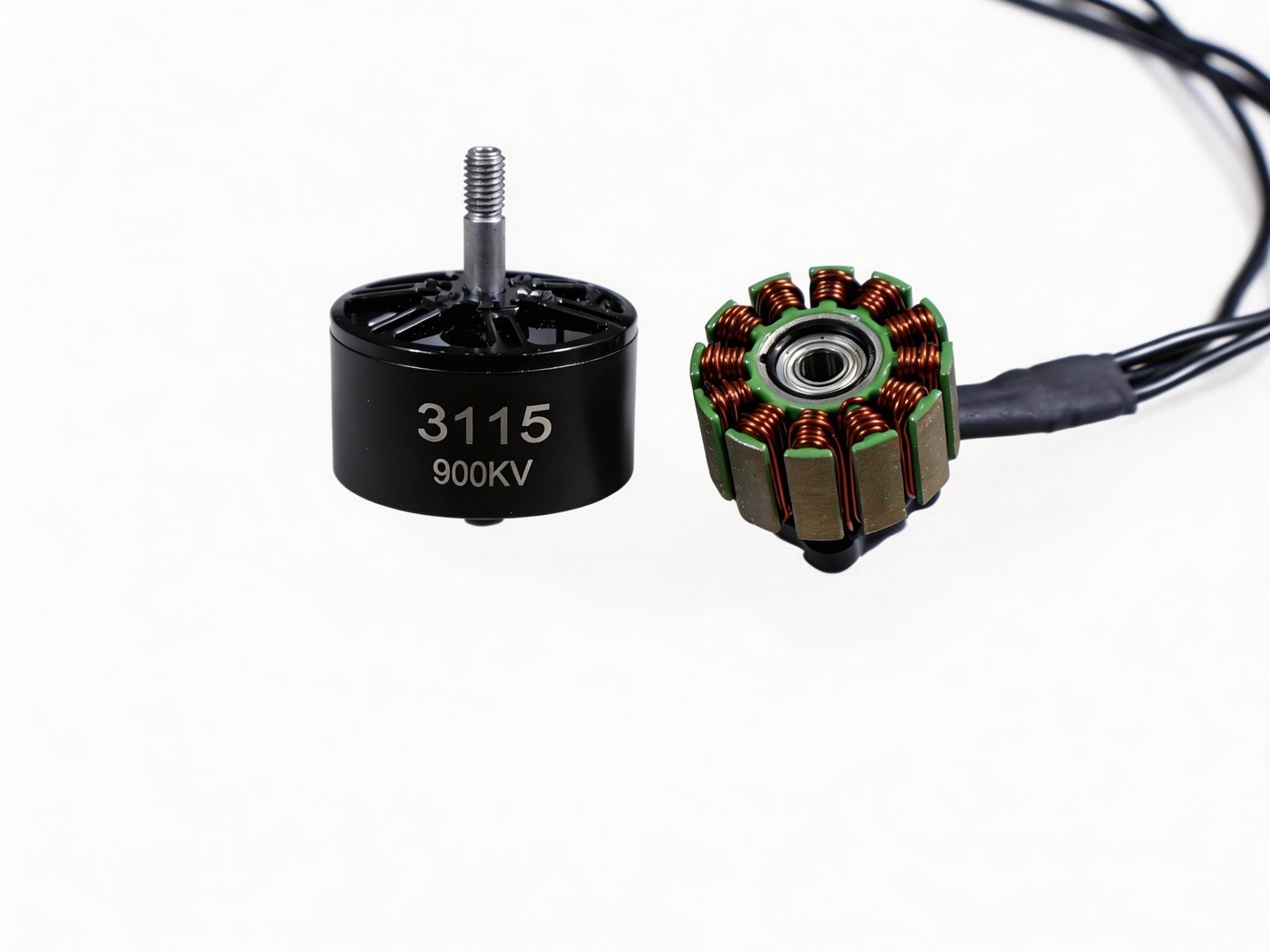
Pi Thrust can use a tiered motor logic for different platforms. The 3115 900KV motor supports 10 inch 6S builds with a strong thrust-to-cost balance. The 4315 600KV and 5215 420KV classes can serve 13 to 15 inch platforms when the buyer needs more torque reserve. The 5315 420KV direction is better suited for 15 to 17 inch or heavier project-style builds, depending on propeller and voltage confirmation.
However, the motor name alone is not enough. The supplier should confirm propeller diameter, pitch, ESC rating, battery voltage and expected payload before finalizing the quotation.
| Motor direction | Useful platform range | Professional value |
|---|---|---|
| 3115 900KV | 10 inch, 6S | Cost-effective thrust for compact FPV kits and small batch assembly |
| 4315 600KV | 13-15 inch, 8S | Better response and stronger motor class for larger FPV platforms |
| 5215 420KV | 13-15 inch, 8S | Higher torque reserve for more conservative matching |
| 5315 420KV | 15-17 inch, 12S direction | Better direction for heavier payload and project-style propulsion matching |
What should be included in a professional FPV drone kit
A professional FPV drone kit should make assembly easier and reduce purchasing uncertainty. It does not need to include every part for every buyer, but the core configuration should be clear enough for a factory to repeat.
The basic kit normally starts with the frame, motors, propellers and ESCs. Then the buyer can add flight controller, receiver, VTX, antenna, battery and packaging options according to the project. For more stable communication, a 2.4G receiver option can be positioned as a practical configuration choice.
- Frame and hardware: the base structure for repeat assembly.
- Motor set: selected according to platform size, voltage and payload.
- Propellers: fixed or foldable options depending on storage and thrust needs.
- ESCs: selected with current margin for the chosen motor and propeller.
- Flight controller: matched to the buyer's tuning and control requirements.
- Receiver 2.4G: a stable communication option for practical kit supply.
- VTX and antenna: optional according to range, image transmission and project use.
- Battery plan: 6S, 8S or 12S direction should match the power system.
- Spare parts: motors, propellers, ESCs and hardware should be available for after-sales support.
How to judge whether a supplier is ready for bulk assembly orders
A bulk order is different from a sample order. The buyer is no longer asking whether one drone can be assembled. Instead, the buyer is asking whether the supplier can support stable production and repeat delivery.
A professional supplier should provide a clear configuration sheet, test conditions, packaging standard, lead time, spare parts policy and communication process. In addition, it should be able to take pre-shipment photos and confirm packaging details before delivery.
This is especially important for international buyers. Some buyers need full transportation service, while others prefer to use their own freight forwarder. A flexible supplier should be able to support both options.
| Supplier check | What the buyer should confirm |
|---|---|
| Configuration control | Can the same BOM be repeated in later orders? |
| Power system testing | Are motor, propeller and ESC test conditions clear? |
| Packaging | Can the supplier protect frames, motors, props and batteries during shipping? |
| Shipment confirmation | Can the supplier provide photos before dispatch? |
| Logistics | Can the supplier support full transport or the buyer's own forwarder? |
| After-sales | Are spare motors, props, ESCs and hardware available? |
A practical sourcing workflow for 10, 15 and 18 inch drones
The sourcing workflow should be simple enough for a busy assembly buyer. First, confirm the platform size and working target. Then select the propulsion direction. After that, confirm the electronic configuration, sample test and bulk packaging standard.
This flow is useful because it keeps the buyer from comparing unrelated quotations. It also gives the supplier a clearer way to recommend a kit instead of sending a long parts catalog.
| Step | Buyer input | Supplier output |
|---|---|---|
| 1. Platform choice | 10, 15 or 18 inch; payload; flight target | Initial kit direction |
| 2. Power system | Voltage, motor preference, propeller type | Motor, propeller and ESC recommendation |
| 3. Control setup | Flight controller, receiver, VTX, antenna needs | Matched electronics option |
| 4. Sample test | Order quantity and test feedback | Adjusted configuration before bulk order |
| 5. Bulk supply | Packaging, logo, lead time, shipment method | Repeatable assembly and delivery plan |
When should buyers choose Pi Thrust
Pi Thrust is a better fit when the buyer needs more than a single drone part. The stronger match is an assembly factory, wholesaler or project buyer that wants a repeatable drone kit, a matched propulsion system and clear communication before bulk ordering.
The value is strongest when the buyer needs 10 inch, 15 inch or 18 inch FPV drone configurations and wants support around motors, propellers, ESCs and other practical kit options. In this situation, Pi Thrust can use its motor line and kit supply experience to help the buyer reduce configuration risk before the order grows.
Conclusion
A drone assembly factory should not source FPV drone kits only by comparing part prices. It should compare configuration stability, propulsion matching, QC process, packaging, logistics and after-sales support.
Pi Thrust can support 10, 15 and 18 inch FPV drone kit buyers with matched motors, propellers, ESCs and practical supply options. If you are preparing a sample build or a bulk assembly order, send your platform size, payload target, voltage, expected quantity and destination country to info@pithrust.com. Our team can help you prepare a kit-level configuration for review.
FAQ
What should a drone assembly factory check before sourcing FPV drone kits?
The buyer should check the platform size, payload target, voltage, motors, propellers, ESCs, flight controller, receiver, VTX, battery plan, packaging and after-sales spare parts support.
Is a 10 inch FPV drone kit suitable for small batch orders?
Yes. A 10 inch FPV drone kit is often suitable for small batch resale, training, compact payload and inspection-style projects when the BOM and spare parts are clear.
How is a 15 inch FPV drone different from a 10 inch kit?
A 15 inch FPV drone usually needs more torque reserve, stronger ESC margin and better propeller matching because it may carry more payload or target longer flight time.
Can an 18 inch drone kit use the same parts as a 15 inch platform?
Not automatically. An 18 inch platform needs a separate check for frame strength, motor load, propeller size, ESC current margin and battery voltage.
Why should the propulsion system be confirmed before bulk orders?
The propulsion system decides thrust, current draw, heat and payload margin. If the motor, propeller and ESC are not matched, batch assembly can face tuning and after-sales problems.
Can Pi Thrust support complete FPV drone kit sourcing?
Pi Thrust can support kit-level sourcing discussions for 10, 15 and 18 inch FPV platforms, including motor, propeller, ESC and other practical configuration options.

 English
  Arabic
  French
  Russian