
Why 12S Drone Systems Are Replacing 6S for Industrial Drone Missions
Three years ago, most customers built their drones on 6S. Today, nearly half of our inquiries come for 12S setups, especially from agricultural sprayers, long-endurance mappers, and heavy-lift delivery platforms. The shift is happening faster than many expected because 12S systems reduce current, lower heat, and improve efficiency. In this guide, we compare 12S vs 6S performance, show real test results, and help you choose the right motor for different industrial drone missions.
Why 12S Is Becoming the New Standard for Industrial Drones
Lower Current, Less Heat, Better Efficiency
Higher voltage changes everything. Power equals voltage times current. To achieve the same power on 12S, you use roughly half the current compared to 6S. Because heat loss grows with the square of the current (I²R losses), cutting current in half dramatically reduces heat and energy waste.
That means longer flight times, cooler motors, and more reliable performance in hot field conditions—exactly what industrial operators need when uptime, efficiency, and replacement cost all matter.
Why This Matters for Agriculture, Mapping, and Heavy-Lift Platforms
12S vs 6S: What Changes in Real-World Performance
Real Test Results on the Same Airframe
We tested the same airframe with identical props and thrust targets. The 12S setup with our 5315-420KV motors drew 22% less current than the 6S version. After 10 minutes of continuous operation, the 12S motors stabilized at 78°C while the 6S motors reached 104°C.
What These Results Mean for Daily Operations
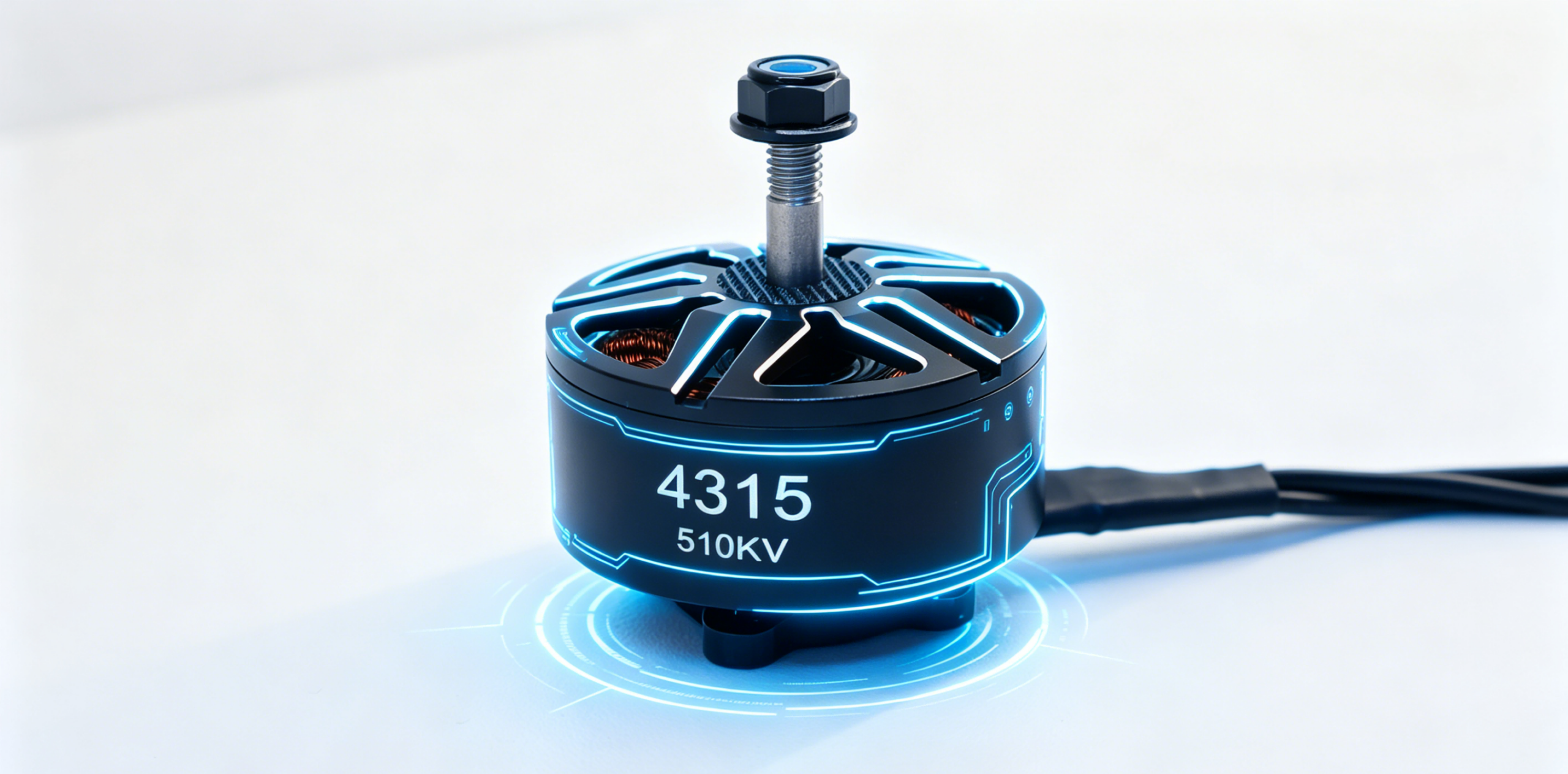
See the 5315-420KV motor used in this comparison
Best 12S Motors for Different Industrial Drone Applications
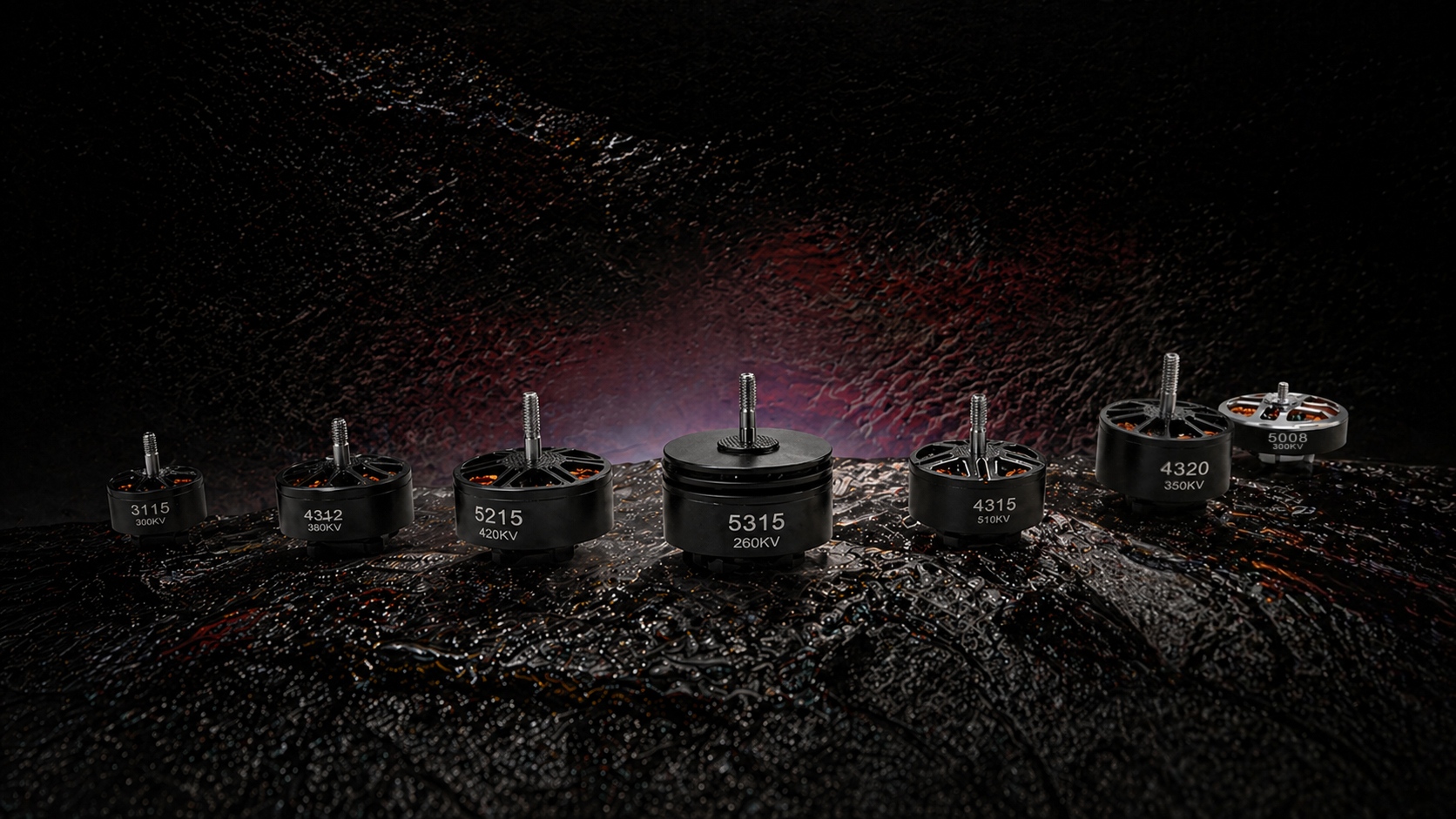
5315-420KV for Agricultural Spraying Drones
This motor has become our top seller for spraying drones. It delivers strong continuous power on 12S and pairs well with 15-17 inch props. Operators report fewer battery swaps and lower operating temperatures after switching. One Southeast Asian fleet operator tracked a 31% drop in per-hectare battery cost after converting a 40-sprayer fleet.
4320-350KV for Heavy-Lift and Delivery Platforms
Designed for cinema cameras, LiDAR rigs, and delivery payloads up to 15kg, this motor runs cool even during sustained hover and offers strong efficiency on long routes. The 350KV wind is specifically tuned for 12S voltage and large props in the 17-22 inch range.
4312-380KV for Mapping and Survey Missions
Lightweight yet powerful, this motor is favored by survey and mapping teams. Users consistently achieve 15-20% longer flight times after upgrading to 12S. Its compact form factor fits most existing mapping airframes without modification, making it a practical drop-in upgrade for many popular survey drones.
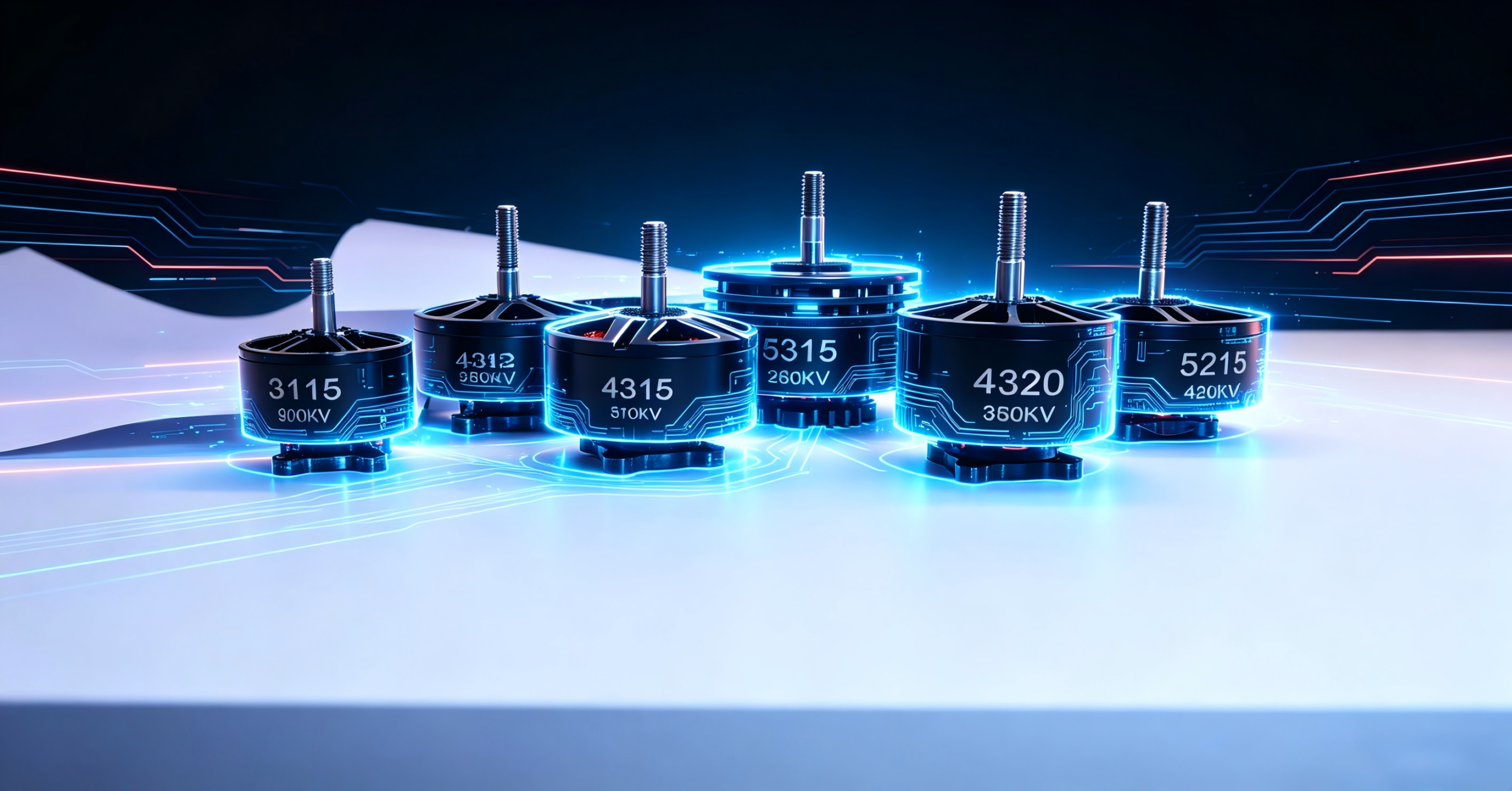
Browse our 12S-ready motors for industrial platforms
How to Upgrade from 6S to 12S Without Costly Mistakes
Match Motor KV to 12S Voltage
Start by matching motor KV to 12S voltage. For 15-17 inch props, 350-420KV is the typical range. The 5315-420KV is a popular choice for agricultural sprayers, while the 4320-350KV is better suited for larger props and heavier platforms.
Use Properly Rated ESCs and Connectors
Choose ESCs specifically rated for 12S. We recommend FOC-capable units from Hobbywing and Aikon, which now handle 12-14S natively. Use thicker connectors such as XT90 or AS150 anti-spark to support higher-voltage setups safely.
Compare Batteries by Watt-Hours, Not Just mAh
When selecting batteries, think in watt-hours rather than mAh. A 12S 10,000mAh pack (444 Wh) delivers comparable energy to a 6S 20,000mAh pack (444 Wh). For agricultural drones, 12S 16,000-22,000mAh packs are common and can support 30-40 minutes of spray time on the 5315-420KV.
Why Our 12S Motors Are a Reliable Choice for Industrial Operators
Built for High-Load Conditions
At Shenzhen Paixin Power Technology Co., Ltd., our Pi Thrust motors are built with 220°C windings and high-quality bearings to handle 12S demands reliably. This makes them a strong fit for operators who need stable performance under continuous industrial workloads.
Short Lead Time, Warranty, and OEM/ODM Support
All models ship within a 3-day lead time and come with a 12-month warranty. We also support OEM/ODM solutions tailored to your airframe and flight requirements, helping customers make the transition to 12S more smoothly.
Customer Results After Switching to 12S Systems
Lower Battery Cost for Agricultural Fleets
One Southeast Asian fleet operator tracked a 31% drop in per-hectare battery cost after converting a 40-sprayer fleet to 12S-compatible motor setups.
Longer Flight Time for Mapping Teams
Mapping and survey users consistently report 15-20% longer flight times after upgrading to 12S, especially when using efficient motor and prop combinations that fit existing airframes.
Better Reliability in Continuous Heavy-Load Missions
In testing, 12S motors ran 26°C cooler after 10 minutes of continuous load. For operators running daily missions, that cooler operating temperature helps maintain efficiency over time and reduces maintenance pressure.
Frequently Asked Questions About 12S Drone Systems
Q: Why are more industrial drone operators switching from 6S to 12S?
More operators are switching because 12S systems reduce current, lower heat, and improve efficiency at the same power level. That makes them especially attractive for agricultural sprayers, mapping drones, and heavy-load platforms that need longer flight time and more reliable performance.
Q: Will my existing ESC work with 12S?
Most 6S-rated ESCs will not handle 12S voltage. You need units specifically rated for 12-14S. FOC-capable ESCs from Hobbywing and Aikon are common options for higher-voltage industrial setups.

 English
  Arabic
  French
  Russian