
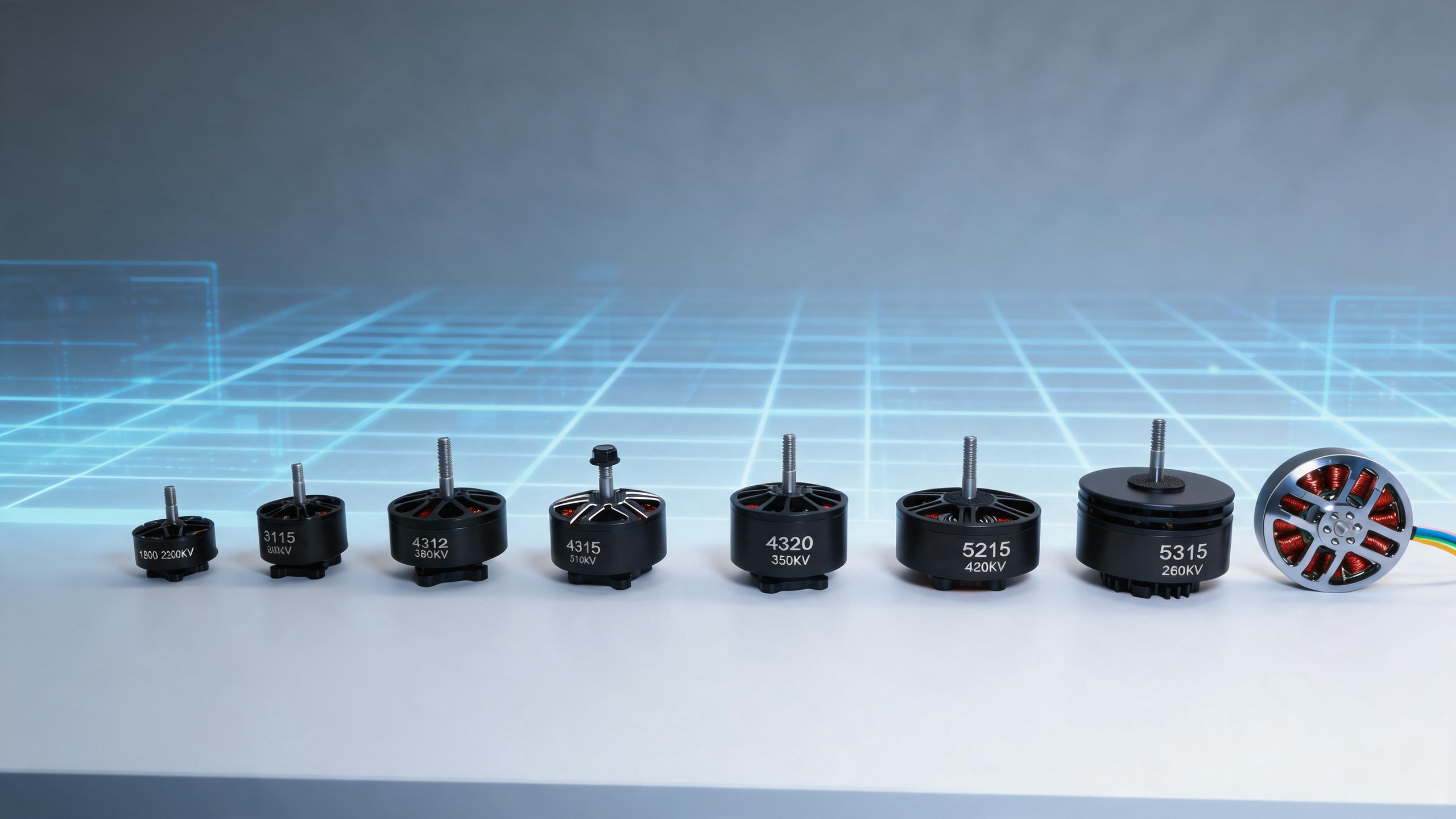
أفضل دليل اختيار محرك للطائرات بدون طيار للطائرات الصناعية بدون طيار: كيفية اختيار الجهد والدفع والحجم والجهد
اختيار المحرك المناسب للطائرة بدون طيار مهم. فهو يؤثر على الرفع والكفاءة ووقت الطيران ودرجة حرارة المحرك.
يمكن أن يؤدي سوء التوافق إلى الإضرار بالطائرة بأكملها. ونتيجة لذلك، يمكن أن يؤدي أيضاً إلى زيادة تكلفة الصيانة بمرور الوقت.
هذا الدليل مخصص لمشتري الطائرات بدون طيار الصناعية والمهندسين وشركات الدمج وفرق مصنعي المعدات الأصلية. يشرح باختصار كيفية مقارنة المحركات بطريقة عملية.
ما الذي يغطيه هذا الدليل
من تساعده هذه المقالة
هذا الدليل مفيد لمصنعي الطائرات بدون طيار الزراعية، وفرق رسم الخرائط، وموظفي تكامل الليدار، وبناة الطائرات بدون طيار للفحص، والموزعين الصناعيين. بالإضافة إلى ذلك، فهو مفيد لمشاريع تصنيع المعدات الأصلية وتصنيع التصميم الأصلي.
ما ستتعلمه
- لماذا يؤثر اختيار المحرك على الاستقرار، والكفاءة، وهامش الحمولة
- ماذا يعني KV، والدفع، وحجم الجزء الثابت، والجهد في الاستخدام الحقيقي
- كيفية تقدير قوة الدفع التي تحتاجها طائرتك بدون طيار
- كيفية الاختيار بين أنظمة 6S و 8S و 12S
- ما هو محرك الدفع Pi الذي يناسب كل نوع من أنواع المهام
- كيفية اختيار المحرك المناسب خطوة بخطوة
- لماذا يناسب Pi Thrust مشاريع الطائرات بدون طيار الصناعية
- إجابات على الأسئلة الشائعة حول محرك الطائرة بدون طيار
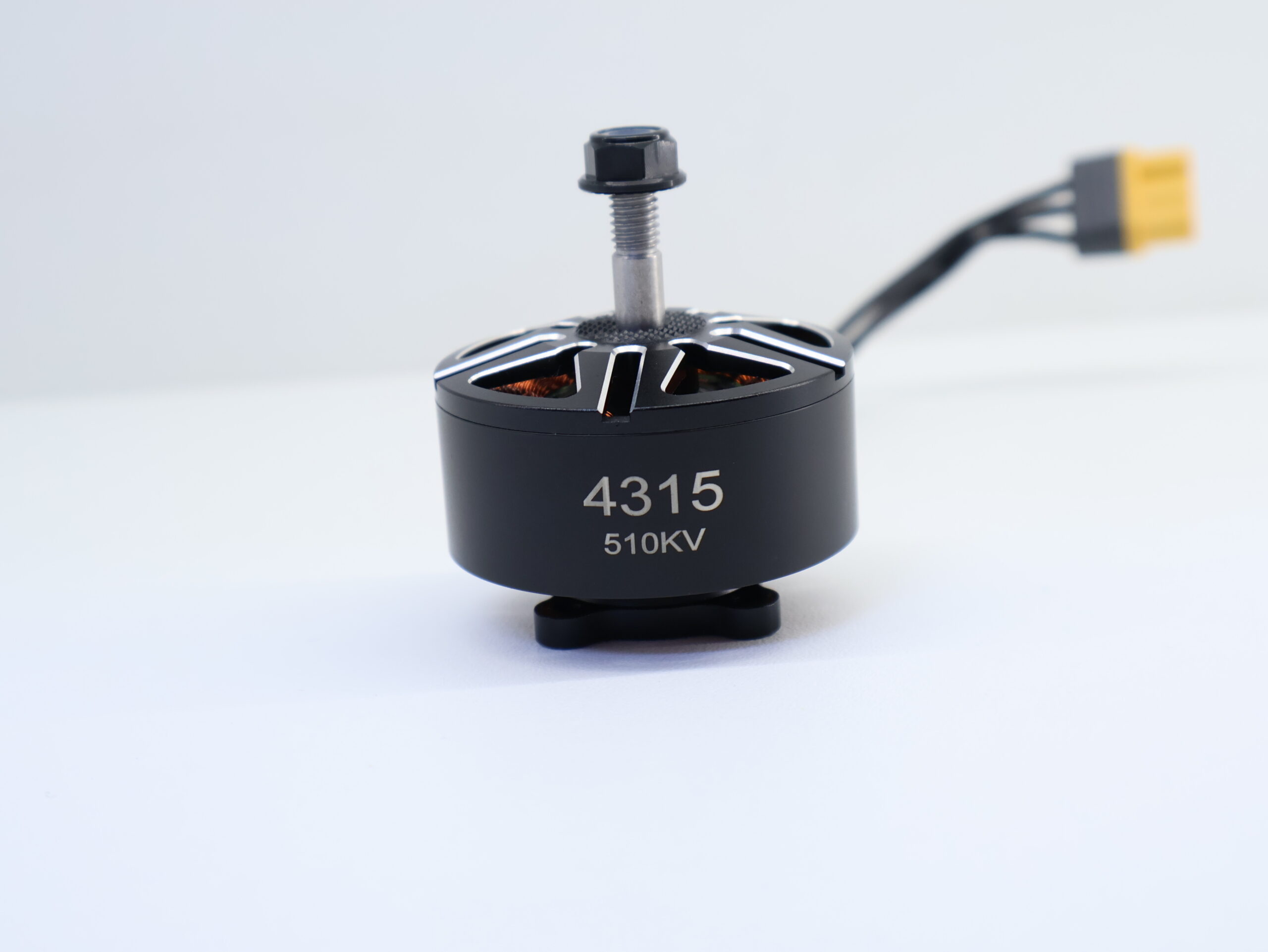
أهمية اختيار محرك الطائرة بدون طيار
يؤدي اختيار المحرك إلى تغيير أداء الطيران
لا يعمل محرك الطائرة بدون طيار بمفرده. بل يعمل بدلاً من ذلك مع الإطار، والمروحة، و ESC، والبطارية، والحمولة، ومهمة الطيران.
إذا لم تتطابق هذه الأجزاء بشكل جيد، فقد تستمر الطائرة بدون طيار في الطيران. ومع ذلك، فإنها غالباً ما ستعمل بشكل أكثر سخونة وستفقد كفاءتها.
تحتاج مهام الطائرات بدون طيار الصناعية إلى مطابقة أفضل
تحتاج الطائرات المسيرة الزراعية إلى عزم الدوران وثبات الحمل. وفي الوقت نفسه، تحتاج الطائرات بدون طيار لرسم الخرائط إلى تحليق فعال وقدرة تحمل أطول.
تحتاج طائرات التفتيش بدون طيار إلى استجابة سريعة وتحكم سلس. وبالمثل، تحتاج طائرات التوصيل بدون طيار إلى هامش رفع وسلوك حراري موثوق.
ما الذي تحسنه مطابقة المحرك الجيد
- ثبات الحمولة: تحكم أفضل في ظل الحمل المتغير
- مساحة رأس حرارية: إجهاد أقل على اللفات، والمحامل، والموزعات الكهربائية والموصلات
- كفاءة الطيران: استخدام أفضل لطاقة البطارية
- هامش الأمان: المزيد من التحكم في الرياح، والصعود، والكبح، والاسترداد
باختصار، يساعد المحرك المناسب الطائرة على الطيران بشكل أفضل. كما أنه يساعد النظام على الاستمرار لفترة أطول.
شرح مواصفات محرك الطائرة بدون طيار
أربعة مواصفات تشكل معظم قرارات الشراء
يقارن معظم المشترين أربعة عناصر أساسية أولاً. وهي على وجه التحديد، تصنيف KV، وأقصى قوة دفع، وحجم الجزء الثابت، وتوافق الجهد.
| المواصفات | المعنى | ما أهمية ذلك | تركيز المشتري |
|---|---|---|---|
| تصنيف KV | عدد دورات المحرك في الدقيقة لكل فولت بدون تحميل | يؤثر على مطابقة الدعامة وعزم الدوران وسرعة الاستجابة | اختر KV بعد أن يكون نطاق المروحة واضحاً |
| قوة الدفع القصوى | ذروة الرفع مع دعامة وجهد معينين | يظهر السقف، وليس راحة العمل الكاملة | انظر إلى الهامش القابل للاستخدام، وليس فقط رقم الذروة |
| حجم الجزء الثابت | قطر القلب وارتفاعه، مثل 5315 | يؤثر على عزم الدوران والتبريد والتعامل مع الطاقة | تعامل معها على أنها فئة المحرك المادية |
| الفولتية | نظام البطارية المدعوم، مثل 6S أو 12S | يغير التيار والحرارة والكفاءة | غالباً ما يناسب الجهد العالي العمل الأثقل |
تصنيف KV
يعمل KV المنخفض عادةً بشكل أفضل مع المراوح الأكبر حجماً. لذلك، فإنه يفضل عزم الدوران والرفع الأثقل.
يعمل KV الأعلى عادةً بشكل أفضل مع المراوح الأصغر حجماً. وعلى النقيض من ذلك، فإنها تفضل الاستجابة الأسرع والبناء الأخف وزناً.
| نطاق KV | نطاق المروحة | شخصية الطيران | الاستخدام النموذجي |
|---|---|---|---|
| 300 إلى 400 كيلو فولت | 15 إلى 22 بوصة | عزم دوران عالي، عدد دورات في الدقيقة أقل | رفع الأحمال الثقيلة، والزراعة، وأعمال التحمل |
| 400 إلى 500 كيلو فولت | 13 إلى 17 بوصة | عزم دوران متوازن واستجابة متوازنة | الطائرات بدون طيار الزراعية، والدوريات، والطائرات بدون طيار الخدمية |
| 500 إلى 700 كيلو فولت | 10 إلى 15 بوصة | أكثر استجابة، دفع متوسط | أعمال الفحص والحمل المتوسط |
| 700 إلى 1000 كيلوفولت | 7 إلى 12 بوصة | استجابة سريعة، وتركيز أخف حمولة | رسم الخرائط المدمجة والبناء الرشيق |
قاعدة بسيطة: اختر نطاق المروحة أولاً. ثم اختر نطاق KV الذي يحركها بشكل جيد.
قوة الدفع القصوى
الدفع الأقصى مفيد. ومع ذلك، لا ينبغي أن يكون مرشحك الوحيد.
يحتاج الإعداد الصناعي الجيد إلى احتياطي. وإلا فإن المحرك الذي يطير دائمًا بالقرب من حده الأقصى سيعمل بشكل أقل راحة.
حجم الجزء الثابت
يخبرك حجم الجزء الثابت بالكثير عن المحرك. على سبيل المثال، غالبًا ما يفسر الاختلافات في عزم الدوران والتبريد ومعالجة الطاقة.
يمكن أن يتشارك محركان نفس KV. ومع ذلك، يمكن أن يتصرفا بشكل مختلف تمامًا في العمل الحقيقي.
الفولتية
يغير الجهد من سحب التيار. بالإضافة إلى ذلك، فإنه يغير الحرارة وكفاءة النظام.
غالبًا ما تناسب أنظمة الجهد العالي مهام الطائرات بدون طيار الأثقل. ونتيجة لذلك، فإنها تساعد عادةً في تشغيل المحرك ومركز التحكم الإلكتروني الكهرومغناطيسي والأسلاك بشكل أكثر برودة.
مقدار الدفع الذي تحتاجه طائرتك بدون طيار
ابدأ بنسبة أساسية
نقطة البداية الشائعة هي قوة الدفع الكلية عند ضعف وزن الإقلاع المحمل تقريباً. وهذا يعطي نسبة 2.0:1 من الدفع إلى الوزن.
الصيغة:
هدف الدفع لكل محرك = (وزن الإقلاع المحمّل × نسبة الدفع المستهدفة) ÷ عدد المحركات
مثال على الحساب
إذا كانت الطائرة بدون طيار تزن 12 كجم وتستخدم أربعة محركات، فيجب أن يستهدف كل محرك حوالي 6 كجم من قوة الدفع بنسبة 2.0:1.
متى تضيف المزيد من الهامش
تزيد الرياح والارتفاع والحمولة المتغيرة من المخاطر. لذلك، عادةً ما يكون زيادة هامش الدفع خياراً أفضل للتصميم في هذه الحالات.
| نوع الطائرة بدون طيار | وزن الحمولة | الهدف لكل محرك | اتجاه الدفع Pi |
|---|---|---|---|
| طائرة بدون طيار خفيفة مدمجة بدون طيار | 0.5 إلى 1.5 كجم | 0.25 إلى 0.75 كجم | 3115-900 كيلوفولت |
| رسم الخرائط أو المسح | 3 إلى 6 كجم | 1.5 إلى 3.0 كجم | 3115-900 كيلو فولت أو 4312-380 كيلو فولت |
| التفتيش أو الدورية | 5 إلى 8 كجم | 2.5 إلى 4.0 كجم | 4315-600 كيلو فولت أو 5215-420 كيلو فولت |
| التوصيل أو الحمولة الثقيلة | 15 إلى 25 كجم | 3.75 إلى 6.25 كجم | 4320-350 كيلو فولت أو 5315-420 كيلو فولت |
| الزراعة الثقيلة | 25 إلى 35 كجم | 6.25 إلى 8.75 كجم | 5315-420 كيلوفولت |
مع ارتفاع وزن الطائرة، قد لا يكون المحرك الأكبر كافياً. في هذه الحالة، قد يكون تصميم طائرة مختلفة هو الحل الأفضل.
6S مقابل 8S مقابل 12S مقابل 12S
أهمية الجهد الكهربائي
جهد البطارية ليس تفصيلاً صغيراً. بل إنه يغير سحب التيار وتراكم الحرارة والراحة الكهربائية بشكل عام.
الجهد العالي يعني عادةً تياراً أقل للقدرة نفسها. لذلك، يمكن أن تساعد الأنظمة الأثقل على العمل بكفاءة أكبر.
| الفولتية | السحب الحالي | اتجاه الكفاءة | أفضل ملاءمة |
|---|---|---|---|
| 6S | أعلى | جيد للأنظمة الأخف وزناً | الطائرات بدون طيار المدمجة والبناء الرشيق |
| 8S | متوسط | مسار الترقية المتوازن | التفتيش والأعمال الصناعية متوسطة المدى |
| 12S | أقل | الأفضل للاستخدام المتطلب للأحمال الثقيلة | الزراعة والطائرات بدون طيار ذات الحمولة الثقيلة |
اختر الجهد مبكراً
إذا كانت طائرتك تحمل حمولة حقيقية وتعمل لفترات طويلة، فاختر الجهد الكهربائي في وقت مبكر من عملية التصميم. وإلا فإنه يصبح أمراً ثانوياً.
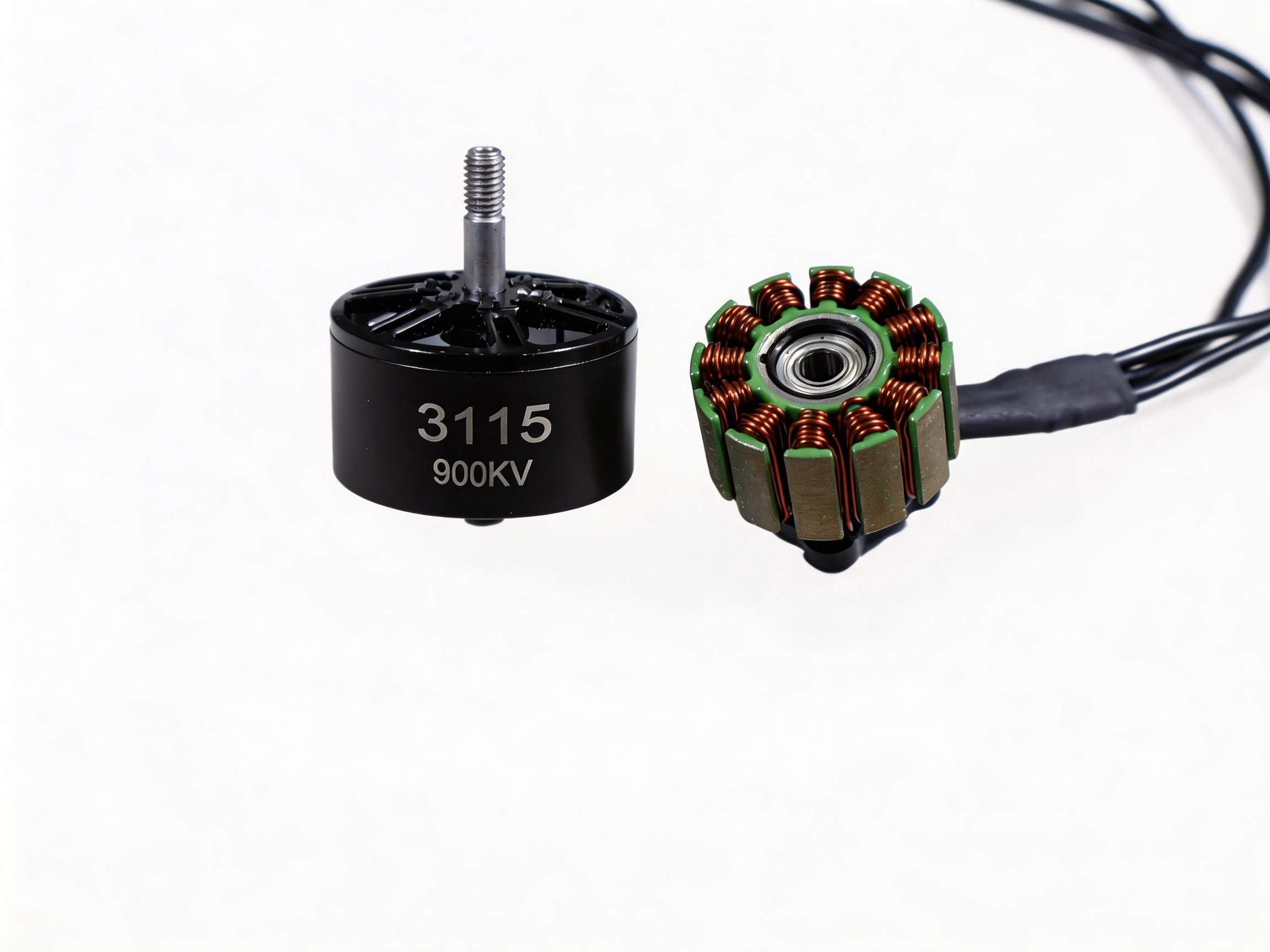
أفضل محركات الدفع Pi حسب التطبيق
الطائرات بدون طيار الزراعية
تحتاج هذه المنصات إلى مراوح أكبر، وعزم دوران أقوى، وثبات أفضل للحمل على مدار دورات العمل الطويلة.
- أفضل ملاءمة: 5315-420 كيلوفولت
- البديل: 5215-420 كيلوفولت 5215-420 كيلوفولت لأعمال المرافق الأخف وزناً
- لماذا؟ حجم أقوى للجزء الثابت وتصميم أقوى للخدمة الصناعية
رسم الخرائط والطائرات بدون طيار المزودة بتقنية LiDAR
تحتاج الطائرات بدون طيار لرسم الخرائط إلى تحليق فعال وسعة كافية لأجهزة الاستشعار دون أن تكون الطائرة ثقيلة للغاية.
- أفضل ملاءمة: 4312-380 ك.ف.ف.
- البديل: 3115-900 كيلو فولت أمبير للبناءات المدمجة الأخف وزناً
- لماذا؟ خيارات جيدة للتحمل أو خفة الحركة
طائرات بدون طيار للتفتيش والدوريات
تحتاج طائرات الفحص إلى تحليق مستقر، واستجابة يمكن التنبؤ بها، ورفع كافٍ للكاميرات أو الحمولات الحرارية.
- أفضل ملاءمة: 4315-600 كيلو فولت أمبير 4315-600 كيلو فولت
- البديل: 5215-420 كيلو فولت عند الحاجة إلى احتياطي رفع إضافي
- لماذا؟ استجابة متوازنة ودعم الحمولة
طائرات الرفع الثقيل وطائرات التوصيل بدون طيار
تستفيد هذه الطائرات بدون طيار من عزم الدوران القوي، وسحب تيار أقل، ومساحة حرارية جيدة.
- أفضل ملاءمة: 4320-350 ك.ف.ف.
- البديل: 5315-420 كيلوفولت لأنظمة الدفع الأكبر حجمًا
- لماذا؟ دعم أفضل للتشغيل الشاق
منصات التحمل الطويل
تهتم بعض التصاميم بالكفاءة الثابتة أكثر من الحمولة القصوى. في تلك الحالات، تكون الكفاءة منخفضة الحمولة أكثر أهمية.
- أفضل ملاءمة: 5008-300 كيلو فولت 5008-300 كيلو فولت
- لماذا؟ مناسبة للتصميمات التي تركز على التحمل
إنشاءات مدمجة رشيقة
تدفع المراوح الأصغر والاستجابة الأسرع التصميم نحو خيارات KV أعلى.
- أفضل ملاءمة: 3115-900 كيلوفولت
- لماذا؟ ملاءمة قوية للاستخدام المدمج والمرن
نصيحة سريعة للقائمة المختصرة
إذا كنت تعرف بالفعل وزن الإقلاع، وحجم المروحة، وجهد البطارية، فابدأ ب تشكيلة محرك Pi Thrust. ثم قم بتضييق نطاق الاختيار حسب هدف الدفع ونوع المهمة.
كيفية اختيار المحرك المناسب خطوة بخطوة
الخطوة 1: تحديد وزن الإقلاع المحمّل
استخدم أثقل حالة طيران واقعية. أولاً، قم بتضمين البطارية، والحمولة، ومعدات الهبوط، والأسلاك، ومعدات المهمة.
الخطوة 2: تعيين هامش الدفع
اختر هدف دفع يناسب المهمة. بعد ذلك، تذكر أن المهام الأصعب تحتاج إلى هامش أكبر من الاستخدام القياسي.
الخطوة 3: اختر نطاق المروحة
إن خلوص الإطار، وحجم الشفرة، وأهداف الكفاءة كلها تشكل قرار المروحة. بعد ذلك، بمجرد أن يتضح ذلك، يصبح اختيار KV أسهل.
الخطوة 4: مطابقة KV والجهد
لا تختار KV بمعزل عن الجهد الكهربي. بدلاً من ذلك، قم بمطابقته مع المروحة، ثم اختر نظام الجهد الذي يحافظ على التيار والحرارة تحت السيطرة.
الخطوة 5: التحقق من ESC والأسلاك
لا يكتمل اختيار المحرك إذا كان باقي النظام الكهربائي أقل من حجمه. لذا، تحقق من تصنيف ESC، وتصنيف الموصل، ومقياس الأسلاك.
الخطوة 6: التكيف مع الظروف الحقيقية
فالارتفاع والحرارة والغبار ودورات العمل الطويلة كلها تقلل من الهامش. أخيرًا، تذكر أن الإعداد الذي يبدو جيدًا على الورق قد يتصرف بشكل مختلف في الميدان.
الملخص: تحديد الوزن، وتعيين الهامش، واختيار المروحة، ومطابقة KV، وتأكيد الجهد، والتحقق من النظام بأكمله.
الأخطاء الشائعة في اختيار محرك الطائرة بدون طيار
1. الاختيار حسب قوة الدفع القصوى وحدها
تساعد قوة الدفع القصوى، ولكنها ليست كافية. وبدلاً من ذلك، فإن راحة العمل الحقيقية أكثر أهمية.
2. تجاهل علاقة KV والمروحة
المحرك ذو الجهد العالي KV مع مروحة دافعة أكثر من اللازم يمكن أن يسحب تياراً أكثر من اللازم. وبالمثل، يمكن أن يؤدي المحرك منخفض الجهد مع مروحة دفع قليلة جداً إلى إهدار الكفاءة.
3. إعادة استخدام خطة جهد كهربائي قديمة
قد لا يتناسب إعداد 6S المألوف مع طائرة صناعية أثقل. لذلك، يجب أن يتناسب الجهد مع المهمة، وليس عادات الشراء القديمة.
4. عدم ترك أي مجال للدفع الأمامي
قد يعاني التصميم الذي بالكاد يفي بالحسابات الحسابية في الرياح الحقيقية أو الحرارة أو التعافي في حالات الطوارئ. ونتيجة لذلك، فإن الهامش الإضافي غالباً ما يستحق العناء.
5. مقارنة المحركات حسب KV فقط
يمكن للمحركات التي لها نفس الجهد KV أن تختلف كثيرًا في حجم الجزء الثابت والتبريد ومعالجة الطاقة. لذا، قارن دائمًا الصورة الكاملة.
لماذا تختار Pi Thrust
جودة البناء الصناعي
تم تصميم محركات Pi Thrust لتلبية متطلبات الطائرات بدون طيار الصناعية. وبعبارة أخرى، فهي تركز على الاتساق والمتانة الحرارية وعمر الخدمة.
- محامل NSK اليابانية
- مغناطيس N52H
- لفائف نحاسية مقاومة للحرارة 220 درجة مئوية
- دوّارات متوازنة بدقة متناهية
دعم مصنعي المعدات الأصلية وأصناف ODM
تدعم Pi Thrust أيضًا التخصيص المباشر من المصنع. بالإضافة إلى ذلك، يشمل ذلك التوجيه الفني والخيارات المخصصة لطلبات المشاريع المناسبة.
| الطراز | كيه في | قوة الدفع القصوى | الدعامة الموصى بها | الفولتية | المهمة الأساسية |
|---|---|---|---|---|---|
| 3115 | 900 كيلو فولت | 4,600g | 10 بوصة | 6S | رسم الخرائط الخفيفة والبناء الرشيق |
| 4312 | 380 كيلو فولت | 13,000g | 13×5 بوصة | من 8 ثوانٍ إلى 12 ثوانٍ | رسم الخرائط الثقيلة ودار ليدار |
| 4315 | 600 كيلو فولت | 7,200g | 13×5 بوصة | 8S | التفتيش والدوريات |
| 4320 | 350 كيلو فولت | 12,900g | 13×5 بوصة | 12S | الرفع الثقيل والتسليم |
| 5215 | 420 كيلو فولت | 5,500g | 13×5 بوصة | 8S | الزراعة والمرافق العامة متوسطة المدى |
| 5008 | 300 كيلو فولت | 2,800g | 17 بوصة | 6S | تصميمات طويلة الأمد منخفضة التحمل |
| 5315 | 420 كيلو فولت | 8,400g | 15 إلى 17 بوصة | 12S | الزراعة الثقيلة والطائرات بدون طيار الصناعية والزراعية الثقيلة |
سيناريوهات الاختيار
السيناريو 1: طائرة بدون طيار لرسم الخرائط بوزن 5 كجم
تحتاج منصة رسم الخرائط التي يبلغ وزنها 5 كجم مع أربعة محركات إلى حوالي 2.5 كجم قوة دفع مستهدفة لكل محرك بنسبة 2.0:1. ولذلك، يمكن أن يكون إعداد 3115-900 كيلوفولط اتجاهًا منطقيًا لبناء مسح أخف وزنًا.
السيناريو 2: توصيل 15 كجم أو طائرة حرارية بدون طيار
تحتاج الطائرة التي يبلغ وزنها 15 كجم إلى احتياطي دفع أكبر بكثير. ونتيجة لذلك، غالباً ما يفكر البناؤون في تصميم طائرة سداسية أو ثماني المروحيات واتجاه 4320-350 كيلو فولت.
السيناريو 3: منصة الزراعة من 25 إلى 35 كجم
عادةً ما تستفيد الطائرات بدون طيار الزراعية الكبيرة من مراوح أكبر ونظام 12S. في هذه الفئة، فإن الطائرة 5315-420KV هي الأقوى في هذه الفئة.
الوجبات الجاهزة: إذا كانت حسابات الدفع تبدو عدوانية للغاية بالنسبة لتخطيط رباعي، فغيّر بنية الطائرة قبل أن تجبر محركًا أقل من حجمه على العمل.
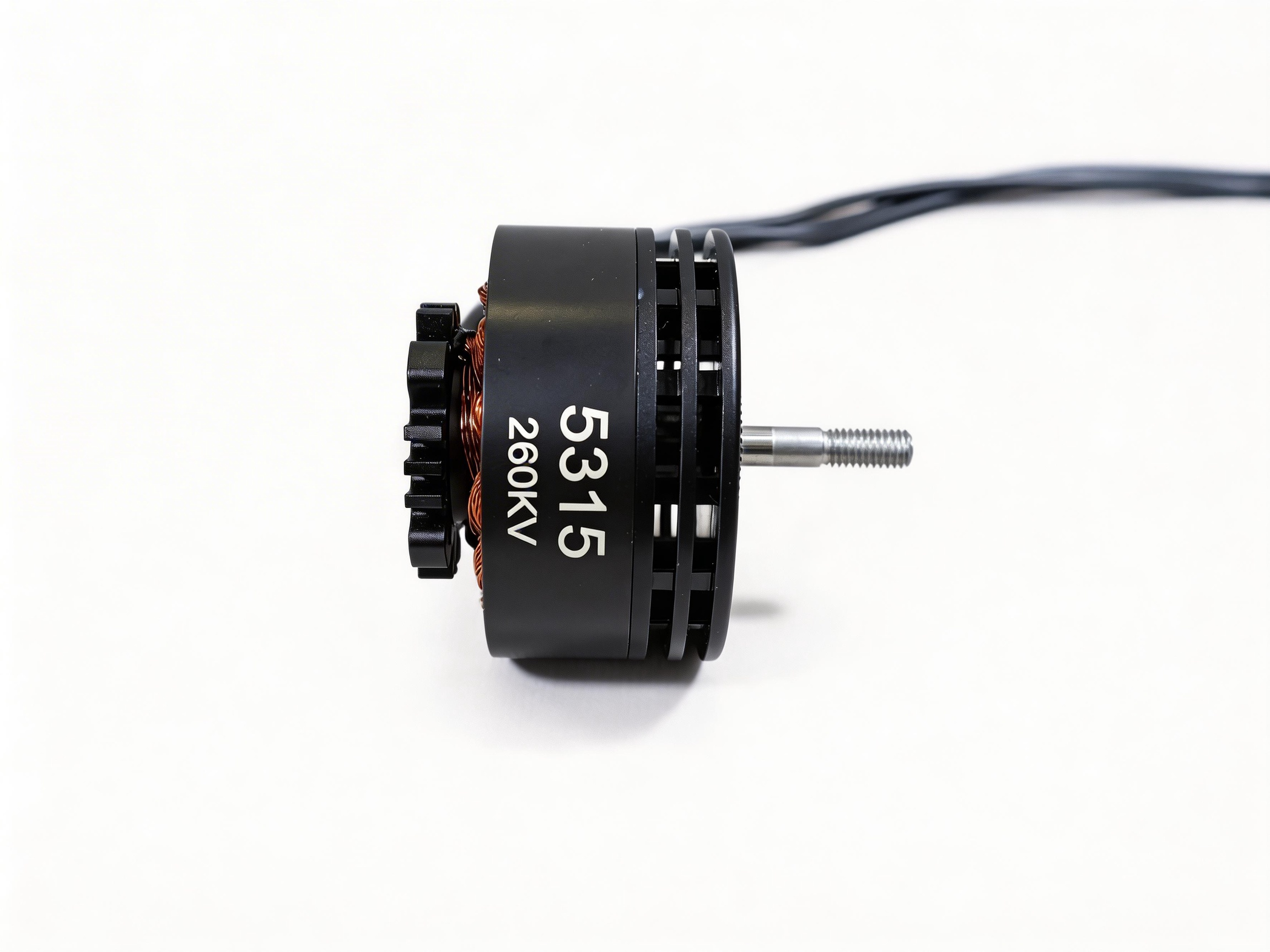
الأسئلة المتداولة
كيف أختار محرك الطائرة بدون طيار KV المناسب؟
ابدأ بحجم المروحة ونوع المهمة. بشكل عام، تحتاج المراوح الأكبر حجمًا إلى جهد كهربي أقل، بينما تحتاج المراوح الأصغر حجمًا إلى جهد كهربي أعلى.
ما مقدار الدفع الذي يجب أن يتمتع به محرك الطائرة بدون طيار؟
نقطة البداية الشائعة هي الدفع الكلي عند ضعف وزن الإقلاع المحمّل تقريباً. إلا أن المهام الأصعب تحتاج عادةً إلى هامش أكبر.
هل 12S أفضل من 6S للطائرات بدون طيار الصناعية؟
بالنسبة للعديد من الطائرات بدون طيار الأثقل، نعم. من الناحية العملية، غالبًا ما يقلل نظام 12S من سحب التيار ويساعد في السلوك الحراري.
هل يمكنني المزج بين طرازات محركات مختلفة على طائرة واحدة متعددة المراوح؟
لا، بدلاً من ذلك، استخدم نفس طراز المحرك والمراوح المتطابقة في الطائرة بأكملها.
ما سبب أهمية حجم الجزء الثابت؟
يساعد في إظهار عزم دوران المحرك وفئة الطاقة. بالإضافة إلى ذلك، فإنه يفسر لماذا يمكن أن يتصرف محركان بجهد كهربي متشابه بشكل مختلف.
هل تدعم محركات Pi Thrust تخصيص OEM أو ODM؟
نعم. تدعم شركة Pi Thrust المتطلبات المخصصة لطلبات المشاريع المناسبة من المصنع مباشرةً.
كم من الوقت تدوم محركات الطائرات بدون طيار الصناعية عادةً؟
يعتمد العمر التشغيلي على دورة التشغيل ودرجة الحرارة والغبار والاهتزاز والصيانة وتاريخ التصادم. ومع ذلك، عادة ما يؤدي التحجيم الصحيح إلى تحسين العمر الافتراضي.
هل تحتاج إلى مساعدة في اختيار المحرك المناسب؟
ما الذي ترسله للتوصية
أرسل وزن الإقلاع المحمّل، وحجم المروحة، وجهد البطارية، وعدد المحركات، ونوع الحمولة، وسيناريو المهمة.
كيفية الاتصال بـ Pi Thrust
- البريد الإلكتروني: info@pithrust.com
- واتساب: +86-198-7242-8734
- الموقع الإلكتروني: https://pithrust.com/
- متجر علي بابا: https://diyfpv.en.alibaba.com
مزايا المصنع مباشرة: مواد من الدرجة الصناعية، ودعم التخصيص، والتوجيه الفني، وتشكيلة محركات مصممة لدمج الطائرات بدون طيار التجارية.

 English
  Arabic
  French
  Russian