
Объяснение показателя KV двигателя дрона: как количество оборотов на вольт на самом деле влияет на тягу, КПД и выбор пропеллера
Многие люди, увидев на этикетке двигателя надпись "380 кВ", полагают, что это номинальная мощность — будто чем больше число, тем мощнее двигатель. Но на самом деле всё обстоит иначе. КВ — это число оборотов в минуту на вольт, и ничего больше. Два двигателя могут иметь одинаковый показатель KV и при этом развивать совершенно разную тягу, поскольку размер статора, качество обмотки и напряжение играют гораздо более важную роль. В компании Pi Thrust мы производим семь моделей бесщеточных двигателей с показателем KV от 300 до 900, и каждый из них прошел испытания на стенде для измерения статической тяги. В этом руководстве объясняется, что на самом деле означает показатель KV, как он взаимодействует с напряжением и размером пропеллера, а также как выбрать подходящее значение для вашей конкретной конструкции — независимо от того, поднимаете ли вы полезную нагрузку LiDAR или мчитесь через ворота.
Что на самом деле означает «кВ» — это не киловольт, не мощность и не качество
KV означает константа скорости бесщеточного двигателя. В частности, этот показатель указывает, с какой частотой вращения (в оборотах в минуту) будет работать двигатель при напряжении в 1 вольт — без нагрузки (без установленного пропеллера). A Электродвигатель на 380 кВ вращается со скоростью 380 об/мин на каждый вольт подаваемого напряжения. При работе на 12S (номинальное напряжение 44,4 В) без нагрузки он развивает примерно 16 872 об/мин. При работе на 8S (29,6 В) — около 11 248 об/мин.
Вот в чём заключается ключевое понимание, которое упускают из виду большинство новичков: Один только KV не определяет скорость. Напряжение аккумулятора определяет скорость вращения. Двигатель с показателем KV 380 при 12S вращается быстрее, чем двигатель с показателем KV 600 при 6S. Показатель KV указывает лишь соотношение — фактическая частота вращения зависит от подаваемого напряжения.
Три вещи, которыми KV не является:
- КВ — это не номинальная мощность. Двигатель на 380 кВ способен развивать тягу 13 000 г (наша модель 4312), тогда как двигатель на 900 кВ — 4 600 г (наша модель 3115). Объём статора и качество обмотки определяют мощность — показатель KV определяет лишь соотношение оборотов к вольту.
- KV не является показателем качества. Двигатель с высоким KV не "лучше" двигателя с низким KV. Они предназначены для разных задач. Наш двигатель 5008 с KV 300 ничем не уступает нашему двигателю 3115 с KV 900 — он рассчитан на 17-дюймовый пропеллер на 25-килограммовом октокоптере для картографирования.
- Более высокое значение KV не означает более высокую эффективность. На самом деле, в случае промышленных дронов для перевозки тяжелых грузов часто наблюдается обратная картина. Двигатели с более низким показателем KV, работающие при более высоком напряжении, как правило, демонстрируют более высокую эффективность в граммах на ватт при крейсерской мощности.
Как KV влияет на летные характеристики в реальных условиях
Показатель KV влияет не только на число оборотов в минуту (RPM). Он изменяет весь компромисс между крутящим моментом и частотой вращения, что, в свою очередь, определяет, какой винт можно использовать, как двигатель ведет себя под нагрузкой и где находятся пики КПД. Вот что меняется при изменении значения KV в большую или меньшую сторону:
Низкий KV (300–450 кВ) — приоритет крутящего момента, разработан для больших пропеллеров и тяжелых грузов
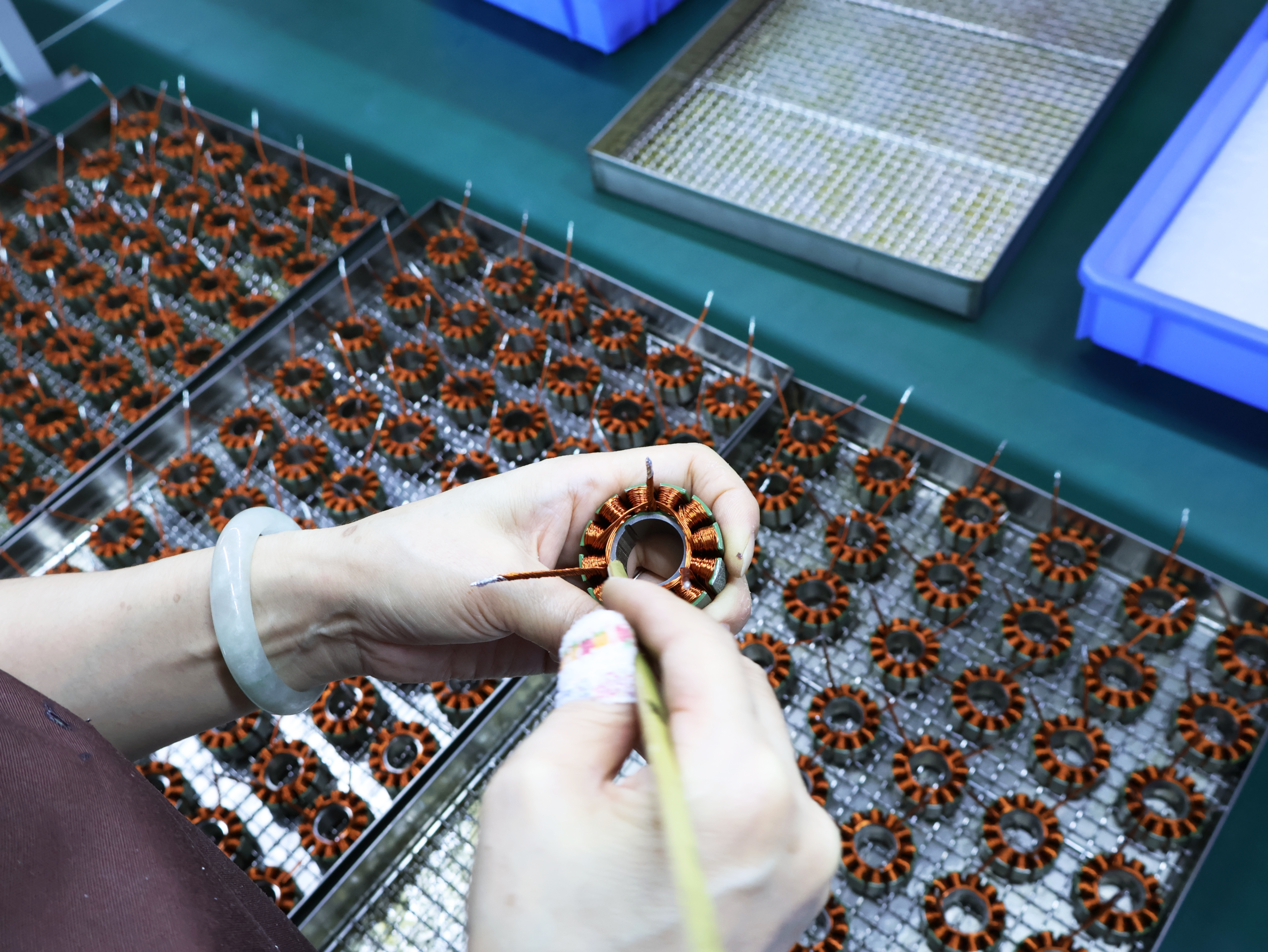
Двигатель с низким значением KV вращается медленнее на вольт, а это означает, что большее количество витков на статоре. Чем больше витков медной обмотки, тем сильнее магнитное поле на ампер тока. Результат: высокий крутящий момент при умеренных оборотах. Это позволяет использовать большие пропеллеры — 13-дюймовые, 15-дюймовые и даже 17-дюймовые — без перегрузки двигателя под нагрузкой. Наш двигатель 4320-350KV при питании от аккумулятора 12S приводит в движение пропеллер размером 13×5 дюймов и развивает тягу 12 900 г. Если установить пропеллер размером 15 дюймов при более низком напряжении, преимущество в крутящем моменте станет ещё более заметным. В частности, для промышленных применений, где время полёта и полезная нагрузка важнее, чем скорость разгона, низкий показатель KV почти всегда является правильным выбором.
Высокий KV (600–900 кВ+) — приоритет скорости, разработан для небольших пропеллеров и маневренного полёта
Двигатель с высоким значением KV имеет меньшее количество витков обмотки, что означает меньшее сопротивление и более высокую частоту вращения на вольт. Компромисс: меньший крутящий момент на ампер. Это компенсируется использованием меньших и более лёгких пропеллеров — как правило, диаметром 10 дюймов или меньше, — которые двигатель может раскручивать на высокую скорость без перегрузки. При этом такие двигатели обеспечивают быструю реакцию на управление дросселем, что крайне важно для пилотов FPV. Наш двигатель 3115-900KV при напряжении 6S вращает 10-дюймовый пропеллер и развивает пиковую тягу 4 600 g на лёгкой раме. Для компактных инспекционных квадрокоптеров или картографических платформ с максимальной взлётной массой (MTOW) менее 8 кг высокий показатель KV при умеренном напряжении обеспечивает отличное соотношение веса и производительности.
Кривая эффективности изменяется в зависимости от KV
Мы измеряем КПД в граммах тяги на ватт (г/Вт). В ходе наших испытаний двигатель 4312-380KV при 12S достигал пикового значения 4,51 г/Вт при открытии дросселя на уровне 20–30%. Двигатель 900KV при 6S может достигать аналогичного пикового показателя эффективности — но при более высоких оборотах и с меньшим пропеллером. Ключевое отличие заключается в том, что где находится полоса эффективности по отношению к вашему профилю полёта. Промышленные дроны летают на скорости 40–60%. Квадрокоптеры с режимом FPV развивают скорость от 20% в режиме зависания до 90% при ускорении. Именно соответствие показателя KV вашему стилю использования дроссаля определяет, сможете ли вы получить 25 или 40 минут полёта при одинаковой ёмкости аккумулятора.
Уравнение «Напряжение × кВ»: почему эти два числа неразрывно связаны
Если и есть одна ошибка, которую мы постоянно встречаем в письмах с запросами о подборе двигателей, то это сравнение значений KV при разных напряжениях, как будто они эквивалентны. Но это не так. A Двигатель на 380 кВ при 12S (44,4 В) В холостом ходу вращается со скоростью около 16 900 об/мин. Двигатель 600 кВ при напряжении 6S (22,2 В) вращается со скоростью около 13 300 об/мин. Двигатель 380 кВ на самом деле вращается быстрее — ведь при определении конечной частоты вращения напряжение имеет большее значение, чем показатель «кВ».
Вот практическое применение этого правила, которым мы руководствуемся при проектировании двигателей:
На практике мы заметили, что производители промышленных БПЛА склоняются к комбинация высокого напряжения и низкого значения кВ. На то есть веская причина: более высокое напряжение означает меньший ток при той же выходной мощности. Меньший ток — это более тонкая проводка, меньшее нагревание ESC и меньшие потери энергии в виде тепла. Например, квадрокоптер, потребляющий в общей сложности 4 000 Вт при 12S, потребляет около 90 А. При 6S те же 4 000 Вт требуют 180 А — что удваивает тепловую нагрузку на каждый компонент между аккумулятором и двигателем. Вот почему вы не найдёте двигателя с коэффициентом 300 кВ, рассчитанного на 6S. При 6S он будет вращаться слишком медленно, чтобы быть полезным. Двигатель и напряжение рассчитаны как единое целое.
Выбор КВ в зависимости от области применения: что мы рекомендуем для каждого типа задач
Подбор подходящего показателя KV зависит от того, что именно дрон делает в воздухе. 40-минутная миссия по картографированию и 3-минутный полет в режиме «фристайл» требуют совершенно разных характеристик двигателя. Вот как мы подбираем показатель KV в зависимости от области применения, исходя из опыта создания и тестирования двигателей:
Обратите внимание, что сельское хозяйство и картография относятся к диапазону 350–420 кВ, несмотря на то, что это совершенно разные области применения. Причина в том, что в обоих случаях требуются двигатели с преобладающим крутящим моментом, приводящие в движение большие пропеллеры с тяжелыми полезными нагрузками. Разница заключается в размере статора — двигатель 4320 (высота статора 20 мм) лучше справляется с длительными высокими нагрузками, чем 4312 (высота статора 12 мм), даже при одинаковых показателях KV. См. нашу Полное руководство по сравнению 7 моделей с электродвигателями чтобы ознакомиться с полным перечнем технических характеристик.
Четыре распространённые ошибки при работе с KV, которые приводят к потере времени полёта и денежных средств
Ошибка 1: Выбор значения KV без предварительного определения напряжения аккумулятора
Показатель KV не имеет смысла без указания напряжения. У нас были клиенты, которые просили "двигатель на 600 кВ", не уточняя, 6S, 8S или 12S. При 6S 600 кВ дают около 13 300 об/мин — неплохо для 10-дюймового пропеллера на компактном квадрокоптере для картографирования. При 12S тот же 600 кВ будет вращаться со скоростью 26 600 об/мин — что разорвет большинство пропеллеров и перегреет двигатель за считанные секунды. Всегда Сначала зафиксируйте напряжение аккумулятора, а затем определите соотношение «ключ-значение», которое обеспечивает требуемый диапазон оборотов.
Ошибка № 2: Предположение, что более высокое значение KV означает большую тягу
Тяга обусловлена способностью двигателя создавать крутящий момент, который в первую очередь зависит от объёма статора и силы магнитов, а не от показателя KV. Наш двигатель 4312-380KV развивает тягу 13 000 g, тогда как модель 4315-600KV — 7 200 g. Двигатель с показателем 380KV обеспечивает почти вдвое большую тягу, несмотря на "более низкий показатель KV". На практике статор большего размера при низком показателе KV почти всегда превосходит статор меньшего размера при высоком показателе KV по грузоподъёмности.
Ошибка 3: Подбор KV без учета размера пропеллера
Пропеллер и двигатель KV образуют механическую систему. Двигатель 380KV с конфигурацией 12S хорошо сочетается с пропеллером 13×5", поскольку диапазон оборотов (примерно 10 000–14 000 при нагрузке) находится в пределах диапазона аэродинамической эффективности пропеллера. Если установить на тот же двигатель 17-дюймовый пропеллер, то нагрузка на крутящий момент резко возрастёт — потребление тока увеличится, КПД резко упадет, а двигатель начнёт перегреваться. И наоборот, небольшой пропеллер на двигателе с высоким значением KV при низком напряжении не создаст достаточной тяги, поскольку площадь диска пропеллера слишком мала. KV, напряжение и диаметр пропеллера — это три переменные в одном уравнении: изменив одну, необходимо пересчитать две остальные.
Ошибка № 4: Применение правил KV для гонок FPV к промышленным БПЛА
Пилоты FPV стремятся к высокому значению KV, поскольку им нужна мгновенная реакция дроссельной заслонки и быстрое изменение оборотов для выполнения акробатических маневров. Промышленные БПЛА летают в режиме крейсерского полета с постоянным значением дроссельной заслонки в течение 30–40 минут. Стремление к максимальным оборотам на дроне для картографирования контрпродуктивно — вы быстрее разрядите аккумулятор, не получив при этом значительного прироста крейсерской скорости. Что касается именно промышленных применений, уделяйте приоритетное внимание эффективности в граммах на ватт при работе двигателя на крейсерской скорости (обычно 40–60%), а не максимальную частоту вращения двигателя. См. наш руководство по выбору двигателя для дрона для применения структурированного подхода к согласованию технических характеристик двигателей с требованиями миссии.
Часто задаваемые вопросы
Что означает обозначение «380 кВ» на бесщеточном двигателе дрона?
Это означает, что двигатель развивает 380 оборотов в минуту на каждый приложенный вольт при отсутствии нагрузки. При напряжении 12S (44,4 В) это дает примерно 16 872 об/мин без нагрузки. Под нагрузкой с пропеллером фактическая частота вращения снижается на 10–20% в зависимости от размера пропеллера, шага лопастей и плотности воздуха. Цифра "380" является постоянной скорости — это не номинальная мощность, не киловольты и не показатель качества двигателя.
Как рассчитать частоту вращения (RPM) мотора по его показателю KV?
Умножьте значение KV на номинальное напряжение аккумулятора. Например: 380 KV × 44,4 В (12S) = 16 872 об/мин без нагрузки. Под нагрузкой с правильно подобранным винтом можно ожидать примерно 12 000–14 000 об/мин. Точное значение числа оборотов под нагрузкой зависит от диаметра пропеллера, шага лопастей и скорости движения вперед — наиболее точные данные для вашей конкретной конфигурации можно получить в ходе испытаний на стенде статической тяги.
Является ли двигатель с более высоким показателем KV более эффективным, чем двигатель с более низким показателем KV?
Не обязательно. Эффективность зависит от всей силовой установки — напряжения, значения KV, размера пропеллера и скорости полёта. Для промышленных дронов, летающих на скорости 40–60%, двигатели с более низким значением KV при более высоком напряжении, как правило, демонстрируют лучшую эффективность (г/Вт), поскольку работают в более эффективном диапазоне своей кривой крутящего момента. Например, наш двигатель 4312-380KV при напряжении 12S достигает пиковой эффективности 4,51 г/Вт при открытии дросселя 20–30% с пропеллером 13×5 дюймов.
Можно ли запустить двигатель на 380 кВ на батарее 6S вместо 12S?
Технически да, но он будет вращаться очень медленно — 380 кВ × 22,2 В = примерно 8 400 об/мин без нагрузки. С пропеллером 13×5" тяга составит примерно 1 500–2 000 g, что слишком мало для большинства промышленных применений. Двигатели с низким значением KV требуют высокого напряжения для достижения расчётного диапазона оборотов. Если вы ограничены 6S, обратите внимание на наши 3115-900KV или 5008-300KV — модель 3115 — для скорости, модель 5008 — для крутящего момента с 17-дюймовым винтом.
Как KV влияет на выбор размера винта?
Двигатели с более низким показателем KV могут приводить в движение более крупные пропеллеры, поскольку при заданном токе они развивают больший крутящий момент. Наш двигатель 300KV 5008 сочетается с 17-дюймовым пропеллером. Двигатель 380KV 4312 лучше всего работает с 13-дюймовыми пропеллерами. Модель 3115 с показателем 900 кВ использует 10-дюймовый пропеллер. Общее правило: при удвоении показателя KV диаметр пропеллера должен примерно уменьшиться вдвое, а напряжение необходимо отрегулировать, чтобы поддерживать число оборотов в минуту в диапазоне максимальной эффективности.
Может ли компания Pi Thrust настроить номинальные значения KV для оптовых заказов?
Да. Мы предлагаем индивидуальную намотку с заданным значением KV для всех семи моделей статоров из нашего ассортимента. Например, статор модели 4312 может быть намотан на 300 кВ, 350 кВ или 420 кВ вместо стандартных 380 кВ. Минимальный объём заказа для индивидуальной намотки по KV составляет 50 единиц. Срок изготовления составляет 7 рабочих дней для стандартного производства и 14 дней для индивидуальных конфигураций намотки. Свяжитесь с нами по адресу info@pithrust.com с учетом напряжения, размера пропеллера и желаемой частоты вращения — мы подберем для вас подходящий показатель KV и параметры обмотки.
Выберите подходящий двигатель KV для своей сборки
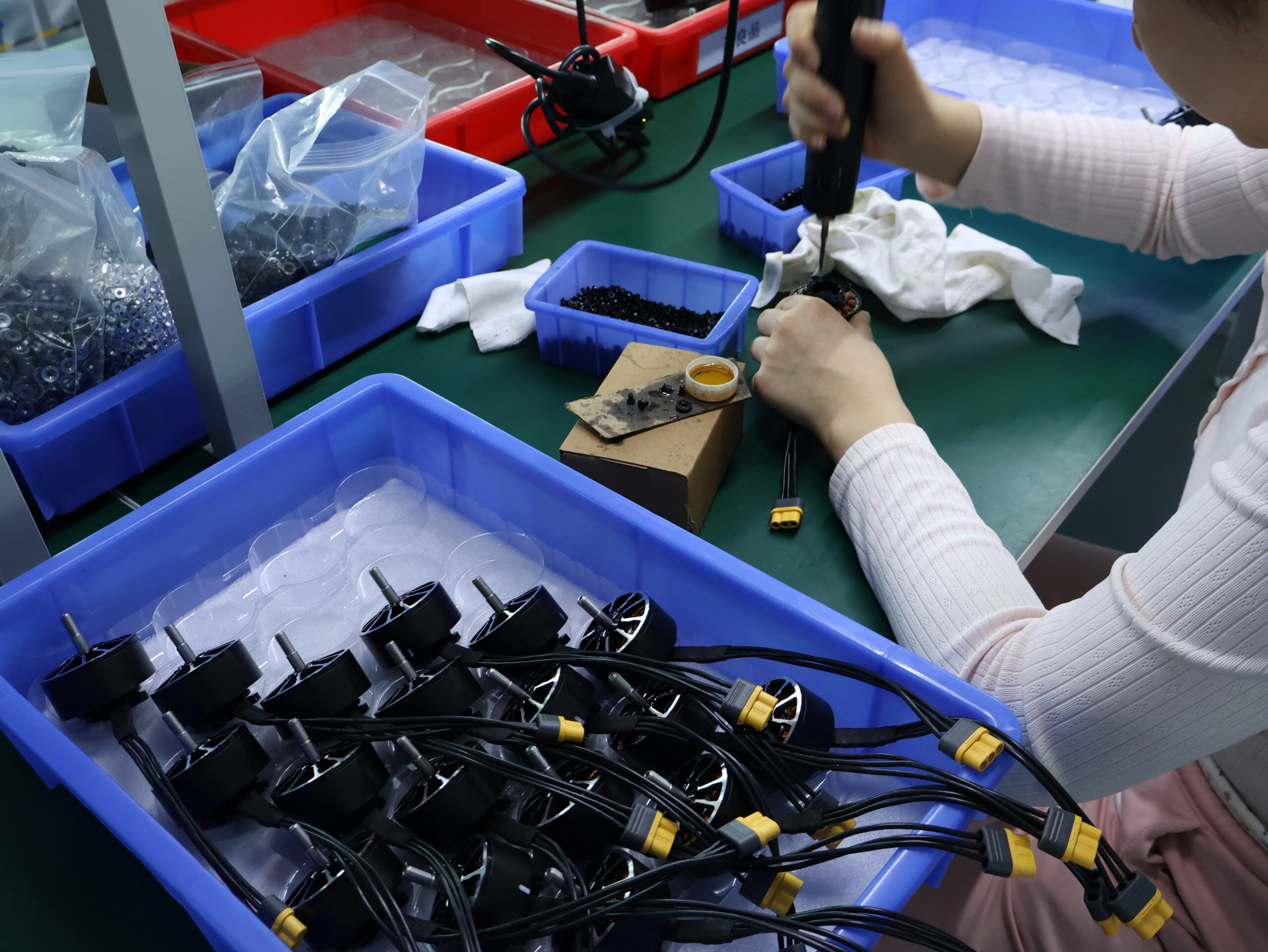
Мы производим все семь платформ двигателей собственными силами на нашем заводе в Шэньчжэне, охватывающих диапазон от 300 кВ до 900 кВ в конфигурациях 12N14P и 24N28P. Каждый двигатель поставляется с подшипниками NSK, дуговыми магнитами N52H и обмоткой, рассчитанной на температуру 220 °C — то, что мы встраиваем в наши двигатели, — это не маркетинговый ход, а результат нашего производства.
- Диапазон KV: От 300 кВ до 900 кВ — доступны стандартные и нестандартные обмотки
- Срок выполнения заказа: 3 рабочих дня (стандартная доставка), 7 дней (индивидуальная доставка KV)
- Минимальный объем заказа: 1 шт. (образец); оптовые цены — от 10 шт.
- Гарантия: 12 месяцев + пожизненная техническая поддержка
- Электронная почта: info@pithrust.com
- WhatsApp: +86-198-7242-8734
- Магазин на Alibaba: diyfpv.en.alibaba.com
Не уверены, какой двигатель KV подходит для вашего летательного аппарата? Пришлите нам информацию о конфигурации аккумулятора, размере пропеллера и максимальной взлетной массе (MTOW) — мы сверим эти данные с нашими результатами испытаний и порекомендуем подходящий двигатель до того, как вы оформите заказ. См. также наш Полное руководство по выбору двигателей для дронов и Сравнительная таблица 7 двигателей для сравнения технических характеристик.

 English
  Arabic
  French
  Russian