
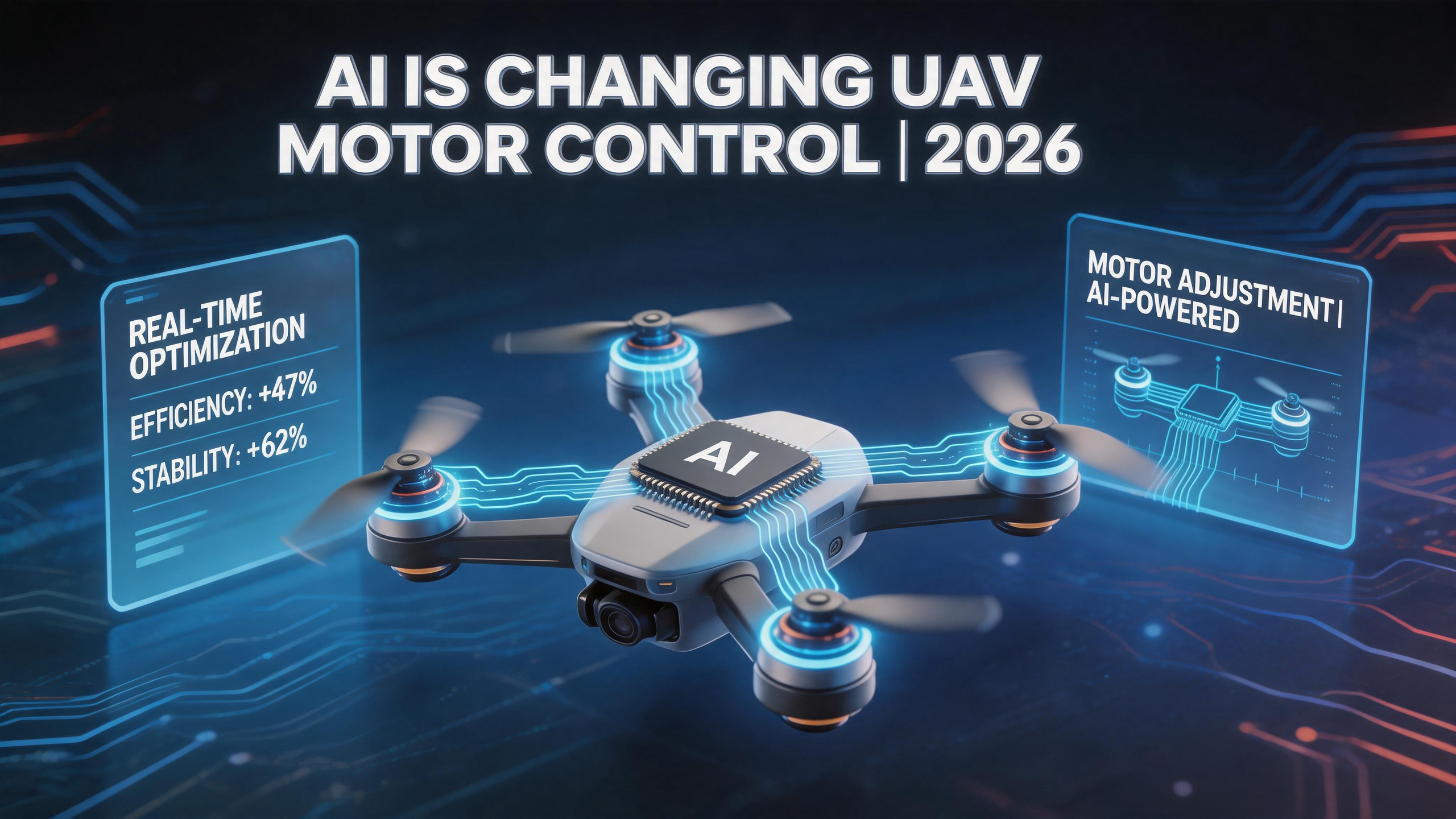
Как искусственный интеллект изменит управление двигателями беспилотников в 2026 году
Три месяца назад к нам обратился клиент с досадной проблемой. Его шестироторный картографический дрон постоянно перегревался во время длительных полетов.
Двигатели работали в пределах номинальной мощности. Тем не менее, температура продолжала расти. Настоящим виновником была прошивка ESC - старая школа трапецеидальной коммутации, работающая горячо и неэффективно.
Мы перешли на установку на основе ВОК с адаптивным управлением током. Результат? Проблема перегрева исчезла. Эффективность повысилась. Тепловыделение снизилось.
На самом деле, Время автономной работы увеличилось примерно на 18%. Это не цифра из спецификации. Это реальное измерение, проведенное в реальной работе на реальном дроне.
Почему это важно именно сейчас
Управление двигателем с помощью искусственного интеллекта перестало быть лабораторной концепцией. Уже сейчас оно поставляется в коммерческих ESC. Поэтому, Если вы разрабатываете двигатели для промышленных или сельскохозяйственных БПЛА, вам необходимо знать, что находится внутри этого черного ящика.
Согласно Последние исследования компании Springer, Глубокое обучение и обучение с подкреплением стали доминирующими методами ИИ, улучшающими характеристики движителей беспилотников. Однако, Прежде чем мы погрузимся в изучение методов искусственного интеллекта, нам нужно понять, почему стандартный подход не работает.
Как стандартные системы управления двигателями не справляются со своей задачей
Шестиступенчатая коммутация: Подход по умолчанию
Большинство двигателей дронов по-прежнему работают с шестиступенчатой коммутацией. На самом деле, Этот метод появился еще на заре бесщеточной технологии. В нем каждая из трех фаз двигателя запускается в фиксированной последовательности - шесть дискретных шагов за один электрический оборот. Просто, дешево и предсказуемо.
Torque Ripple: Где все идет не так
С другой стороны, В реальных полевых условиях обратная сторона четко проявляется. Шестиступенчатое управление создает пульсации крутящего момента - микроперепады тяги, которые усиливаются при частичном дросселировании.
Сельскохозяйственные беспилотники парят на половинной мощности. Картографические беспилотники совершают медленные проходы по орбите. Инспекционные БПЛА держатся на месте при встречном ветре. Во всех этих сценариях, Пульсация крутящего момента снижает производительность и приводит к излишнему нагреву.
FOC: более разумная альтернатива
FOC - Field-Oriented Control - Это решается путем разделения крутящего момента и потока на два независимо управляемых компонента. Инженеры называют их осью d и осью q.
В результате, двигатель создает плавный крутящий момент на любой скорости. Температура двигателя снижается. Эффективность повышается во всем диапазоне.
Это не новая теория. Однако, Что изменилось, так это ИИ, который делает контуры обратной связи более интеллектуальными.
Бессенсорные наблюдатели и адаптивная настройка уже заменяют контроллеры с фиксированными параметрами в серийных ЭСК. Для более глубокого изучения, этот научный труд MDPI Охватывает области применения ИИ от автоматизации до управления двигателями в реальном времени.
Что на самом деле означает термин "искусственный интеллект управления двигателем"
Давайте будем честны в отношении терминологии. Когда производители ЭСК говорят "AI-enhanced", они имеют в виду одну из нескольких конкретных вещей. Вот что что вам нужно знать.
1. ПИ-регуляторы, настраиваемые машинным обучением
Наиболее распространенной реализацией является ПИ-регуляторы, настраиваемые с помощью машинного обучения. Традиционный ВОК использует фиксированные пропорционально-интегральные коэффициенты усиления для регулирования тока.
Эти усиления отлично работают, если нагрузка на двигатель предсказуема. Но беспилотники не имеют предсказуемой нагрузки. Ветер, смещение полезной нагрузки и просадка батареи - все это изменяет работу системы в режиме реального времени.
В результате, Фиксированное усиление отклоняется от оптимального в течение нескольких минут полета. Напротив, Контроллеры с ML-настройкой обучаются на данных о полете, чтобы динамически регулировать усиление. Следовательно, двигатель остается стабильным в более широком диапазоне условий без ручной перенастройки.
Для инженеров, заинтересованных в реализации, этот проект управления электродвигателями с открытым исходным кодом на GitHub демонстрирует, как нейронные сети оценивают положение ротора для ВОК в реальных приложениях.
2. Бездатчиковая оценка положения с помощью нейронных сетей
Вторая категория - это бездатчиковая оценка положения с помощью нейронных сетей. Классический FOC требует обратной связи по положению ротора - обычно от датчиков на эффекте Холла или энкодеров. Они требуют дополнительных затрат, проводов и отказов.
В отличие от, В современных бессенсорных FOC используются наблюдатели обратного ЭДС. Модели ИИ теперь делают эти наблюдатели достаточно точными, чтобы работать даже на очень низких оборотах. Примечательно, Это исторически было слабым местом бессенсорных конструкций. Сейчас, разрыв сократился.
3. Предиктивное обслуживание с помощью обнаружения аномалий
В-третьих, некоторые системы начинают использовать обнаружение аномалий для предиктивного технического обслуживания. Контроллер отслеживает сигнатуры тока во время полета. Он фиксирует износ подшипников или деградацию обмотки до того, как это приведет к отказу. Для коммерческих операторов, управляющих автопарками, это имеет большое значение.
Действительно, новейшие исследования из журнала Nature показывает, что системы управления дронами, созданные искусственным интеллектом, теперь принимают решения в режиме реального времени с минимальным участием человека. Ясно, Эта технология быстро переходит из лабораторий в полевые условия.
Влияние в реальном мире: Как выглядят цифры
Результаты тестирования сельскохозяйственных дронов
При тестировании двигателей Pi Thrust 5315-420KV в паре с ЭСК FOC мы получили прирост эффективности в размере 12–22%.
Для сравнения, это на том же оборудовании, на котором установлена стандартная трапециевидная прошивка. Самое главное, Наибольший прирост был достигнут на дросселе 40-70%. Именно на этом уровне сельскохозяйственные дроны проводят большую часть своего рабочего времени.
Температура двигателя снизилась в среднем на 8-14°C при длительной нагрузке. Это не тривиально. Тепло - главный враг изоляции обмоток и смазки подшипников.
Более холодный ход означает более длительные интервалы обслуживания. Это означает меньшее количество отказов в полевых условиях в пик сезона. Прежде всего, Для операторов, распыляющих 200 с лишним акров в день, двигатель, работающий на 12 градусов холоднее, - это, по сути, двигатель, который не останавливает работу.
Картографирование и инспекция
Аналогично, В картографических приложениях наблюдается та же история с эффективностью. 4312-380KV на мультироторе 12S продемонстрировал заметно более плавную стабилизацию видео при работе в режиме FOC по сравнению с шестиступенчатой.
Удивительно, Это произошло не из-за улучшения камеры. Скорее, просто исчезли вибрации от пульсаций крутящего момента, просачивающиеся в кардан. Чистая тяга создает чистые кадры.
Как оценить совместимость двигателя + ESC для FOC
Не каждый бесщеточный двигатель оптимизирован для работы в режиме FOC. Алгоритм управления требует точного определения тока. Ему также необходим двигатель с хорошо описанными параметрами индуктивности и сопротивления. В частности, Вот три вещи, которые следует проверить при оценке совместимости.
Качество намотки
Качество намотки имеет большее значение при использовании ВОК, чем при шестиступенчатом. Форма волны тока более плавная, поэтому изоляция испытывает меньшее напряжение.
Однако, контроллер также реагирует на любую асимметрию сопротивления обмотки. По этой причине, В моторах Pi Thrust используется медный провод с температурой 220°C и сбалансированные трехфазные обмотки. Мы разрабатываем их специально для совместимости с высокочастотным управлением FOC.
Магнитный материал
За обмотками, магнитный материал также влияет на производительность. Магниты N52H сохраняют свою силу при рабочих температурах до 120°C. Это важно, потому что Повышение эффективности ВОК сокращает тепловой запас - поэтому вам нужны магниты, которые выдержат.
Более дешевые ферритовые или низкосортные редкоземельные магниты могут постепенно размагничиваться под нагрузкой. В отличие от внезапного отказа, это проявляется в медленной деградации тяги на протяжении сотен часов полета.
Класс подшипника
Наконец-то, класс подшипника влияет на характер вибрации. В свою очередь, вибрация влияет на точность оценки положения без датчика. Японский подшипники NSK имеют более жесткие производственные допуски, чем универсальные альтернативы. Поэтому, Они обеспечивают более стабильное качество электрического сигнала, с которым может работать контроллер.
Что это значит для операторов, выбирающих пропульсивные системы
Каков же практический вывод? Если вы заказываете двигатели для новой платформы БПЛА в 2026 году, предположите, что FOC будет частью вашего выбора ESC.
Эффективность и тепловые преимущества больше не являются дополнительными. Они достаточно велики, чтобы повлиять на размер рамы, выбор батареи и общее время полета. Вкратце, Эти преимущества важны для конечных пользователей.
Для операторов сельскохозяйственных дронов
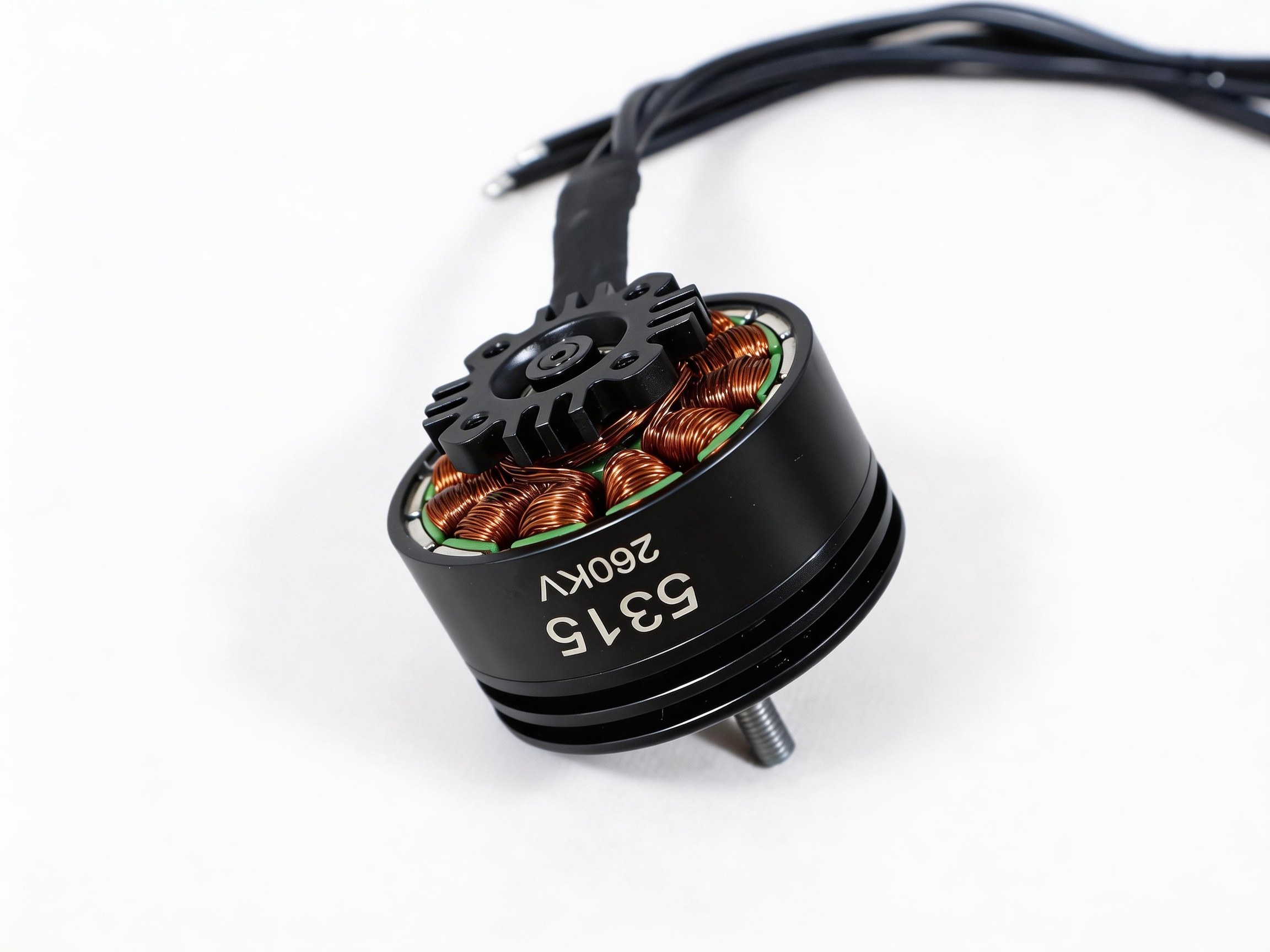
Для сельскохозяйственных работ обычно используются двигатели Pi Thrust 5215-420KV и 5315-420KV. Наша рекомендация: Убедитесь, что производитель вашего ЭСК настроил параметры FOC специально для двигателей с большим количеством полюсов и низким KV. В противном случае, вы рискуете использовать настройки по умолчанию. Большинство прошивок ESC оптимизируют свои настройки по умолчанию для гоночных моторов FPV, которые ведут себя совершенно по-другому.
Для инспекционных и картографических групп
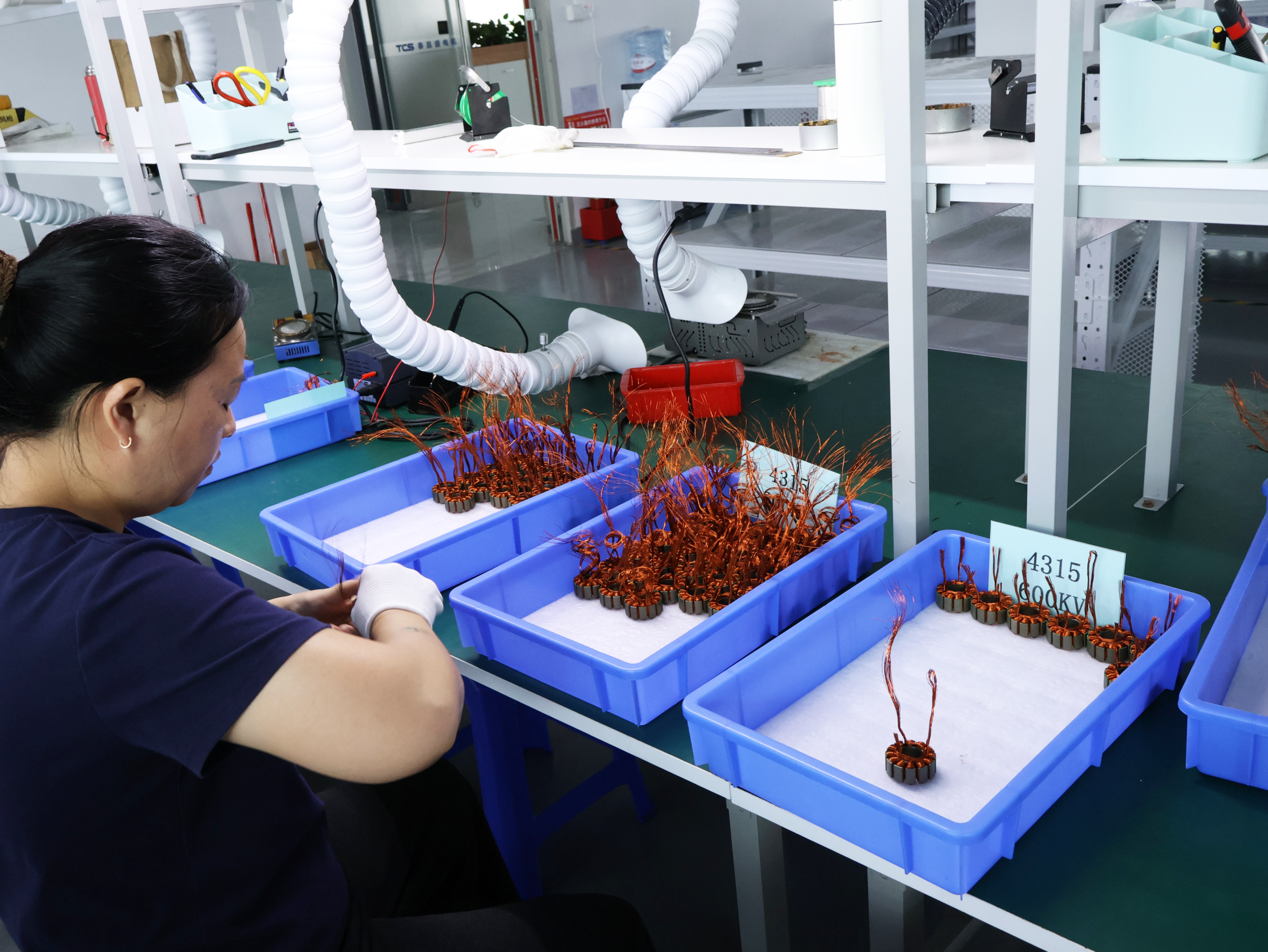
Для инспекций и картографирования обычно используются модели 3115-900KV или 4315-600KV. Вот, Бессенсорный FOC на низких оборотах - это конкретная возможность для тестирования. Прежде чем выбрать силовой агрегат, поинтересуйтесь его поведением при раскрутке на 10-15% дроссельной заслонки. Именно здесь становится видна разница между хорошей и посредственной бездатчиковой оценкой.
Часто задаваемые вопросы
Для FOC требуется другой двигатель или только другой ESC?
Обычно это просто другой ESC - или обновление прошивки существующего. Аппаратная часть двигателя не меняется. Что важно в том, что ваш двигатель имеет надежную индуктивность фаз и баланс обмоток. К счастью, качественные двигатели уже обеспечивают это.
Будет ли FOC работать с моторами Pi Thrust прямо из коробки?
Да. Все моторы Pi Thrust имеют сбалансированную трехфазную обмотку и изготовлены из высококачественных материалов. На самом деле, Мы создаем их специально для того, чтобы они хорошо работали с управлением FOC. Для любого промышленного или сельскохозяйственного применения, мы рекомендуем ЭСК с поддержкой FOC.
Является ли управление двигателем с помощью искусственного интеллекта тем же самым, что и автономный полет?
Нет. ИИ управления двигателем относится к интеллекту на уровне ESC - оптимизация управления током, адаптация к изменениям нагрузки и обнаружение аномалий. Напротив, Автономный полет - это отдельная система на уровне полетного контроллера. Для ясности, Они могут работать вместе, но являются независимыми системами.
Каково ожидаемое повышение эффективности при переходе на FOC?
Согласно нашим собственным тестам с моторами Pi Thrust, повышение эффективности на 12-22% является типичным при дроссельной заслонке 40-70%. Конечно, Результаты зависят от модели двигателя, ESC и условий эксплуатации. Если у вас на уме конкретная конфигурация, Мы будем рады провести тесты для вашего приложения.
Где можно узнать больше о реализации FOC-управления двигателем?
Для глубоких технических погружений, это руководство по выбору ЭСК от CKESC Практически подробно рассматривается сравнение BLDC и FOC. Дополнительно, библиотека SimpleFOC это самая популярная реализация ВОК с открытым исходным кодом для платформ Arduino и STM32.

 English
  Arabic
  French
  Russian