
شرح تصنيف KV لمحركات الطائرات بدون طيار: ما يحتاج كل مصمم طائرات بدون طيار إلى معرفته
نتلقى هذا السؤال كل أسبوع تقريبًا: "ما هو محرك KV الذي أحتاجه لطائرتي بدون طيار؟" يبدو الأمر بسيطًا. ليس كذلك. إذا أخطأت في ذلك، فستحصل في النهاية على محرك يرتفع حرارته بشكل مفرط خلال الدقائق الخمس الأولى، أو محرك يدور بمروحة صغيرة بسرعة 12,000 دورة في الدقيقة، في حين أنك كنت بحاجة إلى عزم دوران عند 4,000 دورة في الدقيقة.
هذا الدليل يزيل الغموض. سنشرح ما يعنيه مصطلح «KV» بالفعل، ولماذا لا يعني انخفاض القيمة دائمًا أنها أفضل، وكيفية اختيار القيمة المناسبة لـ«KV» لهيكل الطائرة والمهمة التي تقوم بها.
ما الذي يعنيه مصطلح «KV» في الواقع
KV لا تعني كيلوفولت. إنها اختصار لـ RPM لكل فولت — أي عدد الدورات في الدقيقة التي يقوم بها المحرك مقابل كل فولت يتم توصيله،, دون توصيل أي حمل.
يعمل المحرك الذي تبلغ قوته 600 كيلوفولت، والمشغّل ببطارية 8S (33.6 فولت عند الشحن الكامل)، بسرعة دوران تبلغ حوالي 20,160 دورة في الدقيقة دون حمل. وعند توصيل مروحة، تنخفض هذه السرعة — حيث يعمل المحرك في مواجهة مقاومة الهواء الفعلية. الكلمة المفتاحية هي "غير محملة"." يُشير معدل KV إلى السرعة القصوى المحتملة للمحرك، وليس إلى السرعة التي سيبلغها فعليًّا أثناء الطيران.
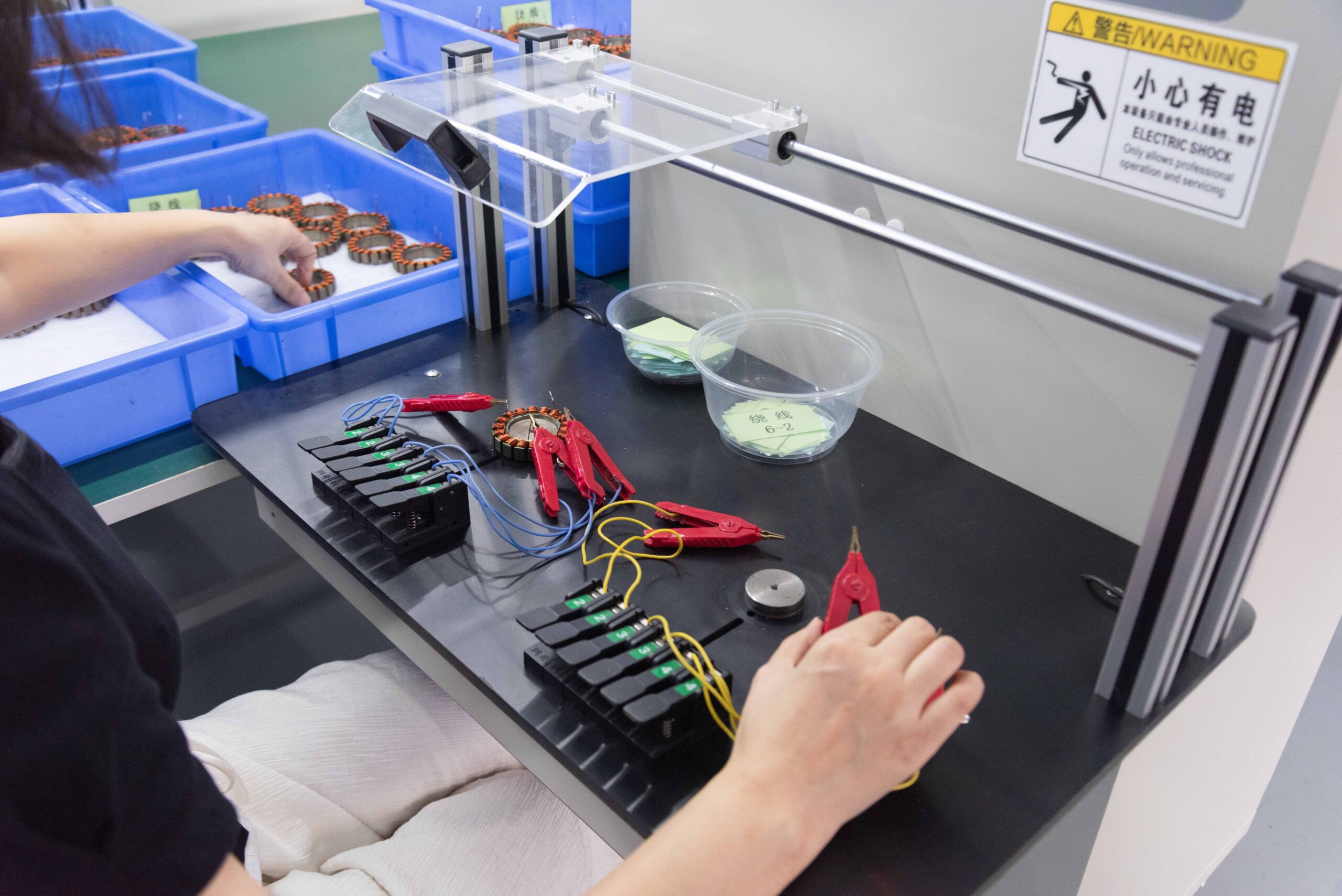
يتم تحديد قيمة KV بناءً على تكوين لفات المحرك — وبالتحديد عدد لفات السلك الملفوفة حول كل سن من أسنان الجزء الثابت. فكلما زاد عدد اللفات، انخفضت قيمة KV وزاد عزم الدوران. وكلما قل عدد اللفات، ارتفعت قيمة KV وزادت السرعة. لا يمكنك تغيير KV دون إعادة لف المحرك. إنها ثابت فيزيائي، مدمج في الأجهزة منذ مرحلة التصنيع.
KV مقابل Torque: المفاضلة التي عليك فهمها
انخفاض قيمة KV = عزم دوران عالٍ. ارتفاع قيمة KV = سرعة عالية، وعزم دوران أقل. وهذا ليس مسألة تفضيل — بل هو قانون فيزيائي. فإطار المحرك نفسه، سواء تم لفه بقيمة 300 KV أو 900 KV، سينتج نفس مدخلات الطاقة الكهربائية، لكنهما يقدمانها بطريقة مختلفة تمامًا.
العزم هو ما يدور المراوح الكبيرة. فالمروحة مقاس 15 بوصة المثبتة على طائرة بدون طيار زراعية تحتاج إلى قوة دوران كبيرة لدفع الهواء إلى الأسفل. وهذه المهمة تتطلب قوة تتراوح بين 300 و420 كيلو فولت. على النقيض من ذلك،, المروحة المخصصة للسباق مقاس 5 بوصات خفيفة وصغيرة — فهي تدور بسرعة وتحتاج إلى عزم دوران أقل بكثير. وهذا هو المجال الذي تتفوق فيه المحركات ذات معدل 2300–2700 كيلو فولت.
| نطاق KV | تطبيق نموذجي | حجم المروحة | الفولتية |
|---|---|---|---|
| 200–420 كيلوفولت | الزراعة، نقل الأحمال الثقيلة، الصناعة | 13–18 بوصة | 6S–12S |
| 420–900 كيلوفولت | رسم الخرائط، والتفتيش، وطائرات متعددة المراوح متوسطة الحجم | 9–13 بوصة | 4S–8S |
| 900–2000 كيلوفولت | الطيران الحر بالرؤية المباشرة (FPV)، طائرات بدون طيار مخصصة للتصوير السينمائي | 5–7 بوصة | 4S–6S |
| 2000 كيلوفولت وأكثر | السباقات، الطائرات بدون طيار الصغيرة | 3–5 بوصة | 3S–4S |
لماذا الجهد الكهربائي يغير كل شيء
لا يعمل محرك KV بمعزل عن غيره. فالمحرك نفسه من طراز KV يتصرف بشكل مختلف تمامًا عند تشغيله على 4S مقارنةً بـ 12S. فمحرك 420KV عند تشغيله على 6S (25.2 فولت) يدور بسرعة تبلغ حوالي 10,580 دورة في الدقيقة دون حمل. أما عند تشغيل المحرك نفسه على بطارية 12S (50.4 فولت)، فإن عدد الدورات في الدقيقة يتجاوز 21,000 دورة في الدقيقة.
ولهذا السبب يجب تحديد اختيار المروحة والجهد الكهربائي بالتزامن مع قيمة KV. إذا قمت بزيادة سرعة دوران مروحة كبيرة بشكل مفرط، فستصل إلى الحدود القصوى لتيار المحرك على الفور تقريبًا. وتتراكم الحرارة بسرعة، وتنهار الكفاءة.
واجهنا هذه المشكلة مع أحد العملاء الذي كان يعمل على بناء طائرة بدون طيار مخصصة لرسم الخرائط تزن 10 كجم. فقد اشترى محركات بقوة 600 كيلو فولت لـ"توفير المال"، وخطط لتشغيلها على بطارية 12S مع مراوح قياس 15 بوصة. استهلك هذا المزيج ما يقارب 90 أمبير لكل محرك عند التشغيل بأقصى سرعة — وهو ما يتجاوز بكثير السعة المقننة لمحول السرعة (ESC) البالغة 60 أمبير. وقد تعطل النظام فور وصوله. يُشكل كل من KV والجهد وحجم المروحة نظامًا متكاملاً. وليست ثلاثة قرارات منفصلة.
كيف يغطي Pi Thrust نطاق KV
تم تصميم مجموعة محركاتنا لتغطية النطاق الكامل للتطبيقات الصناعية المتطورة وتطبيقات FPV. وفيما يلي موقع كل محرك على خريطة KV:
التيار المنخفض (KV): الاستخدامات الزراعية ونقل الأحمال الثقيلة
الـ 5315-420 كيلوفولت و 5215-420 كيلوفولت تعمل في نطاق KV المنخفض. وقد تم لف ملفات هذه المحركات لتحقيق أقصى عزم دوران، وهي مصممة لتشغيل مراوح بحجم 15–18 بوصة على أنظمة 6S–12S. في الاختبارات المعملية التي أجريناها،, حقق المحرك 5315-420KV، عند استخدامه مع بطارية 8S ومروحة 15×5، كفاءة مستمرة تجاوزت 8 G/W عند مستوى الخانق 50% — وهو رقم يُترجم مباشرةً إلى تغطية رش أطول لكل شحنة.
الـ 5008-300 كيلو فولت 5008-300 كيلو فولت ويذهب إلى أبعد من ذلك، حيث يستهدف المروحيات الثماني ذات الحمولة الثقيلة ومنصات الشحن متعددة المروحيات. ويتميز بدرجة حرارة أقل من أي منتج آخر في مجموعتنا — حيث بلغت درجة الحرارة المستمرة 62 درجة مئوية تحت الحمل الكامل في اختباراتنا، مقارنةً بـ74–78 درجة مئوية للمحركات المماثلة من العلامات التجارية الأخرى.
المنطقة المتوسطة من KV: المسح والتفتيش
الـ 4312-380 ك.ف.ف. و 4320-400 كيلو فولت تقع في الفئة المتوسطة. وهي محركات قوية وموثوقة مخصصة للمراوح مقاس 10–13 بوصة على المنصات ذات 6S–8S. وتولي فرق ضبط الإعدادات أهمية كبيرة للاتساق خلال الرحلات الطويلة. تحتاج فرق التفتيش إلى دفع سلس ومستقر عند الحفاظ على الثبات بالقرب من المباني في ظل رياح جانبية. وقد تم تزويد كلا المحركين بملفات ثلاثية الطور متوازنة لتقليل الاهتزازات — وهو أمر مهم عندما يحاول جهاز التثبيت الحفاظ على لقطة مستقيمة في اتجاه الأسفل على ارتفاع 60 مترًا.
قيمة KV أعلى: منصات FPV وAgile
الـ 3115-900 كيلوفولت و 4315-600 كيلو فولت أمبير 4315-600 كيلو فولت خطوة نحو منصات أسرع وأخف وزنًا. يُعد المحرك 4315-600KV أحد أكثر المحركات طلبًا لدينا — فهو يُعد الخيار الأمثل للمراوح مقاس 7–10 بوصات على بطاريات 4S–6S، حيث يحقق التوازن المثالي بين الكفاءة وسرعة الاستجابة. عند مستوى الخانق 10% على 8S،, وقد سجلنا 8.28 G/W — وهي أعلى نقطة كفاءة في سلسلة اختباراتنا المعملية بأكملها. وهذا يجعلها الخيار الأمثل لطائرات الدرونز المخصصة للفحص التي تقضي معظم وقتها في التحليق في وضع التوقف عند طاقة جزئية.
للاطلاع على مقارنة تفصيلية بين جميع محركات Pi Thrust السبعة — بما في ذلك التوصيات الخاصة بالمراوح وتوافق الجهد الكهربائي — انظر دليل اختيار محرك الطائرة بدون طيار.
الأخطاء الشائعة في KV — وكيفية تجنبها
اختيار KV دون تحديد الجهد مسبقًا
يختار معظم المُصممين قيمة KV أولاً، ثم يحددون الجهد الكهربائي لاحقًا. افعل العكس. حدد جهد البطارية بناءً على الوزن المسموح به وتوافر وحدة التحكم الإلكترونية في السرعة (ESC). ثم احسب نطاق عدد الدورات في الدقيقة (RPM) الذي تحتاجه للمروحة، واحسب قيمة KV عكسيًّا انطلاقًا من ذلك.
الاعتماد على المواصفات دون إجراء اختبارات عند مستوى التشغيل الذي تريده
يتم قياس مواصفات المحرك عند أقصى مستوى للخانق. ونادرًا ما تعمل الطائرات بدون طيار الفعلية عند أقصى مستوى للخانق. فالبخاخ الزراعي يحوم عند مستوى خانق يتراوح بين 40 و60% خلال معظم مدة مهمته. محرك يبدو فعالاً عند الحد الأقصى لعدد الدورات في الدقيقة قد تكون مطابقة بشكل غير ملائم عند نقطة التشغيل التي تحتاجها فعليًّا.
احرص دائمًا على طلب بيانات الكفاءة عند مستويات الخانق 30% و50% و70%، أو قم بإجراء هذه القياسات بنفسك. فالأرقام المسجلة عند الحمل الجزئي هي التي تحدد فعليًّا مدة رحلتك.
تجاهل حجم المحرك عند مقارنة قيمة KV
المحركان اللذان تبلغ قيمتي KV فيهما 2306-2400 و5315-420 على التوالي هما محركان مختلفان تمامًا. ومقارنة قيمتي KV فقط بينهما تشبه مقارنة نسبة تروس دراجة هوائية بنسبة تروس شاحنة. فقطر الجزء الثابت وارتفاعه ودرجة المغناطيسية كلها عوامل تحدد كيفية ترجمة قيمة KV هذه إلى الطاقة الناتجة الفعلية. لا يكون لمصطلح «KV» أي معنى إلا في سياق الحجم المادي للمحرك.
الأسئلة المتداولة
هل يعني ارتفاع قيمة KV دائمًا سرعة أكبر؟
كلما ارتفع معدل KV، زاد عدد الدورات في الدقيقة لكل فولت، ولكن هذا لا يعني بالضرورة أن الطائرة بدون طيار ستكون أسرع. تعتمد السرعة القصوى على زاوية ميل المروحة، وقطر المروحة، والجهد الكهربائي، والخصائص الديناميكية الهوائية لهيكل الطائرة. في الواقع،, غالبًا ما يتفوق المحرك ذو قيمة KV الأقل والمزود بمروحة أكبر في الأداء على المحرك ذو قيمة KV الأعلى والمزود بمروحة صغيرة من حيث السرعة الأمامية الفعلية والكفاءة.
هل يمكنني استخدام محرك ذي قيمة KV عالية مع مروحة كبيرة؟
من الناحية الفنية، نعم، ولكن هذا لا يضمن السلامة في حالة الطيران لفترات طويلة. فالمحرك ذو قيمة KV العالية يجبر المروحة على الدوران بسرعة تفوق بكثير نطاق الدورات في الدقيقة (RPM) الفعال. ويؤدي ذلك إلى ارتفاع مفاجئ في استهلاك التيار، مما يتسبب في ارتفاع درجة حرارة المحرك ووحدة التحكم الإلكترونية (ESC) بسرعة. هذا سبب شائع للإرهاق الحركي في الطائرات بدون طيار الصناعية المصنعة محليًّا.
ما هو KV الذي يجب أن أختاره لطائرة بدون طيار زراعية وزنها 10 كجم؟
بالنسبة لطائرة سداسية المراوح يبلغ وزنها الإجمالي الأقصى عند الإقلاع (MTOW) 10 كجم، ومزودة بمراوح قياس 15 بوصة تعمل ببطارية 12S، فإننا نوصي عادةً باستخدام محركات تتراوح قيمتها بين 300 و420 كيلو فولت. وقد صُممت محركات Pi Thrust 5215-420KV أو 5315-420KV خصيصًا لتناسب هذه التكوينات بالضبط. اتصل بنا وأخبرنا بمواصفات هيكل الطائرة الخاص بك وسنقدم لك توصية ملائمة تستند إلى بيانات الاختبار الفعلية.
هل يتغير KV مع تغير درجة الحرارة؟
ليس بشكل ملحوظ في نطاق التشغيل لمعظم الطائرات بدون طيار. ومع ذلك،, إذا فقدت المغناطيسات قوتها المغناطيسية بسبب التعرض للحرارة المستمرة على مدار مئات ساعات الطيران، فقد يرتفع معدل KV الفعلي ارتفاعًا طفيفًا. وهذا أحد الأسباب التي تدفعنا إلى استخدام مغناطيسات من فئة N52H التي تحافظ على كثافة تدفقها المغناطيسي حتى درجة حرارة 120 درجة مئوية — فهي تضمن ثبات أداء المحرك طوال عمره التشغيلي.

 English
  Arabic
  French
  Russian